.jpg)

Kronospan orders additional OSB plant core package from Dieffenbacher
New order is part of expansion and modernization project at Sanem site in Luxembourg
Kronospan plans on investing 330 million euros at its Sanem site in Luxembourg over the next four years. Before the planned new construction of a particleboard plant in the second project phase, the existing OSB plant will be partially refurbished and modernized.
The multi-opening plant, in operation since 1996, was one of the first OSB production plants in Western Europe. After more than 20 years of operation, it will be replaced by a continuous production line with CPS+. In addition to the press, the order also covers the forming station, the forming line, the finishing line (comprising a diagonal saw, large stack formation and large stack storage) as well as the conveyor technology, the filter systems and the press exhaust air treatment. The execution and supervision of the assembly are also included in the Dieffenbacher scope of supply.
This cutting-edge plant was planned entirely using 3D design tools. This allowed Dieffenbacher to fine-tune the plant structure to the conditions at the site, largely avoiding additional preparatory work for Kronospan. The contract was signed at the end of May, and commissioning is set for autumn 2018.
The project continues the long-standing collaboration between Dieffenbacher and Kronospan, especially in the area of OSB. Sanem will be the sixth OSB project completed by Dieffenbacher for Kronospan in less than 15 years. Kronospan also produces OSB panels using Dieffenbacher plants in Jihlava (Czech Republic), Riga (Latvia), Brasov (Romania), Mogilev (Belarus) and Strzelce Opolskie (Poland).
Para mayor informacion: http://dieffenbacher.vetas.com

TE PUEDE INTERESAR
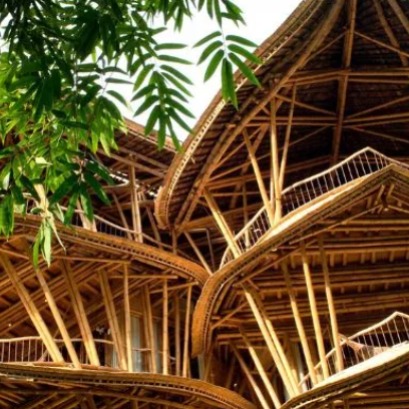 El país de América del Sur que cambia la construcción gracias a un material milenario mega resistible: más que el acero
Este material que crece en América del Sur crea las construcciones más resistentes y cambia radicalmente el mundo de la arquitectura Un material de construcción en particular ha sido utilizado durante milenios por diversas culturas de América del Sur. Esto se debe a su resistencia estructural que permite crear viviendas, puentes y refugios. Su presencia arqueológica demuestra que fue uno de los recursos constructivos más valorados en zonas sísmicas y húmedas
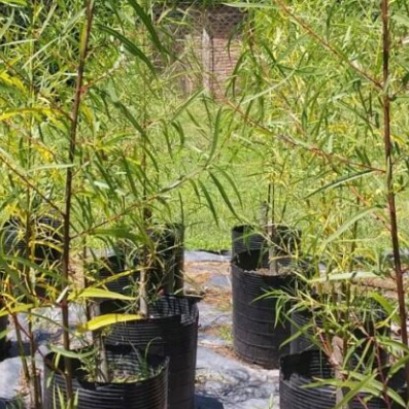 INTA Delta inicia propagación de siete clones de sauce criollo para restauración ecológica en el Paraná
Como resultado del trabajo de rescate, domesticación y registro realizado por Teresa Cerrillo, investigadora referente en Mejoramiento Genético de Salix, en el marco de los Programas Nacionales de Recursos Genéticos y Forestales de INTA, se dio inicio a la multiplicación y propagación de siete clones de sauce criollo (Salix humboldtiana) recientemente inscriptos en el Instituto Nacional de Semillas (INASE) por INTA Delta del Paraná.
 Tiñe de rosa y blanco las calles en primavera: cuál es el árbol más lindo del mundo y por qué, según la IA
Sus ramas delicadas, los tonos suaves de sus pétalos y la forma armónica del árbol lo convierten en una imagen casi poética.