The worlds forests lost more than 400 million hectares between 1990 and 2020
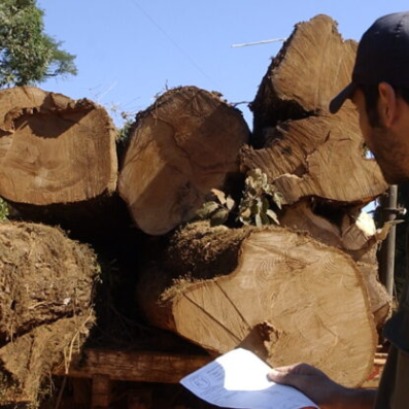
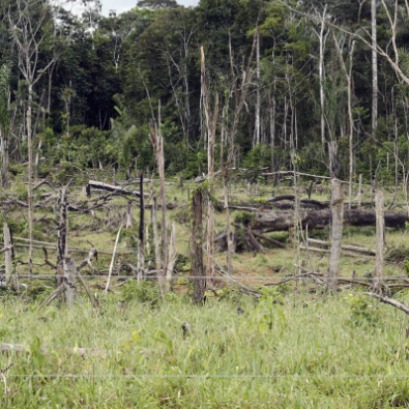
Environment Editorial, March 19 (EFE).- Forests host up to 80% of the planets terrestrial biodiversity but between 1990 and 2020 they lost more than 400 million hectares in the world, especially in tropical regions of America, Africa and Asia, according to a study by the Forest Stewardship Council (FSC).
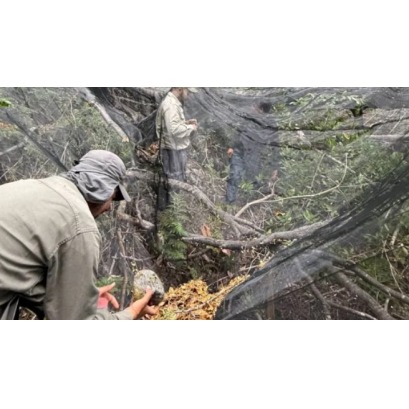
According to this document, revealed this Thursday at the closing ceremony of the Living Forests project, agricultural and livestock expansion represents 88% of global deforestation and to this we must add other factors such as urban development and the degradation of ecosystems, with consequences ranging from the loss of resources and biodiversity to the increase in poverty and migration in rural areas. This concludes the need to support the European Regulation on Deforestation-Free Products (EUDR), aimed at transforming international trade into in favor of more sustainable models. This regulation has been one of the main points under examination during the closing of Living Forests, an initiative that precisely combines citizens and companies to face a problem in which European consumption is a determining factor in the increase in imported deforestation that affects 10.9 million hectares annually according to FAO data. The experts who have participated in this event have highlighted, among the main advantages of this pioneering regulation at a global level, the strengthening of traceability in supply chains through of unprecedented control mechanisms that include tracking of articles through geolocation and verification systems. In addition, the regulation reinforces compliance with laws in producing countries, improves forest governance and encourages greater transparency in markets, which contributes to promoting trade aligned with environmental objectives. By providing clearer information on the sustainable origin of each product, it can also promote changes in citizens consumption habits. Therefore, it marks a turning point in the fight against deforestation by integrating environmental, social and economic criteria in global trade and opening the door to a positive transformation of the forestry sector. In this line, the Living Forests project proposes a series of actions to reduce imported deforestation including the promotion of small associations, the use of incentives for production without forest degradation, the involvement of women in productive work or the establishment of strengthened due diligence systems. Local companies and producer organizations from Ecuador, Guatemala and Honduras have participated in this activity organized by the COPADE Foundation (Trade for Development) with the support of AECID (Agency Spanish Ministry of International Development Cooperation).