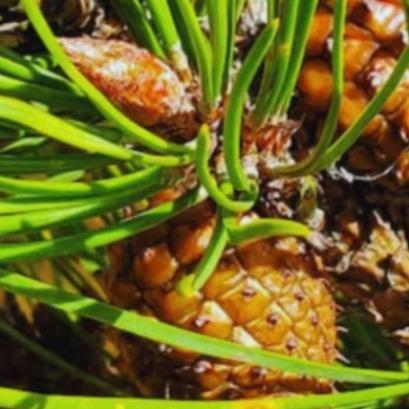
The DNA of forests: they discover what makes a tree resist drought
An international team, with the participation of INTA and Conicet, discovered that genetics can be decisive for trees to better resist droughts
While in different parts of the planet the lack of water puts forests in check, some trees manage to survive where others cannot. What makes them different? The answer, according to a group of scientists, could be written in your DNA. Understanding these differences could change the way reforestations are planned in an increasingly extreme climate context. With that premise, researchers from Argentina, Canada and the United States analyzed more than 1,200 specimens of Pinus contorta, a typical species of western North America, planted 35 years ago. The work, published in the journal Ecology and Evolution, integrated growth data, climate information, tree rings and genomic tools to understand how species respond to stress water. The study revealed something decisive: there are genetic differences in the ability of trees to recover after a drought, which opens new possibilities for selecting more resilient specimens in reforestation programs. Drought is one of the most serious threats to the productivity and survival of forests," explained Eduardo Cappa, researcher at the Institute of Biological Resources of INTA and Conicet. And he added: "Trees that recover faster maintain better performance over time, which is key to guiding improvement forestry in the face of climate variability. In addition, the researchers observed that specimens from warmer and drier regions showed superior performance under water stress. This finding confirms that population origin is a determining factor for adaptation. An index to measure resilience The team also developed a new index that precisely quantifies the response of trees to repeated droughts. This tool could be incorporated into genetic improvement programs, providing scientific criteria for the selection of materials for reforestation. The integrative approach of the work—which combines growth ring analysis, climate information, genomics, and advanced statistical modeling—allows a better understanding of how trees face climate stress and provides practical tools for forest planning,” said Cappa. Argentine science that crosses bordersFor the researcher, this advance reflects the capacity of INTA and Conicet to participate in frontier research alongside top-level institutions. These results They provide valuable knowledge to develop more sustainable and resilient forest management strategies, he concluded.
IT MAY INTEREST YOU
 The discovery of methane-producing bacteria in trees rethinks the ecological role of forests
Pioneering study shows trees surprising internal microbial diversity and potential influence on global climate, driving novel strategies for agricultural and forestry management
 Color the streets pink and white in spring: which is the most beautiful tree in the world and why, according to AI
Its delicate branches, the soft tones of its petals and the harmonious shape of the tree make it an almost poetic image.
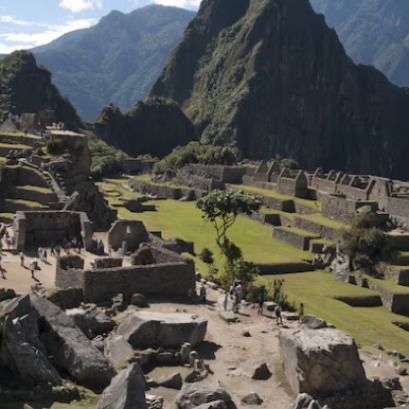 Reforestation advances in the Historic Sanctuary of Machu Picchu with new restored hectares
The plan includes the planting of a thousand new trees in the sanctuary, in response to the damage caused by forest fires and environmental threats, with the support of local authorities and representatives of the tourism sector.