INTA Delta begins propagation of seven Creole willow clones for ecological restoration in Paraná
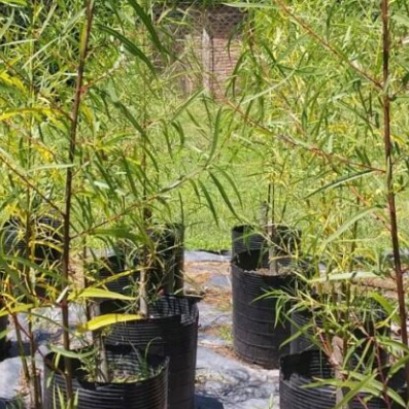
As a result of the rescue, domestication and registration work carried out by Teresa Cerrillo, a leading researcher in Salix Genetic Improvement, within the framework of the National Genetic and Forest Resources Programs of INTA, the multiplication and propagation of seven clones of Creole willow (Salix humboldtiana) began recently registered in the National Seed Institute (INASE) by INTA Delta del Paraná.
This line of research provides certified genetic material and guarantees the traceability of the specimens destined to recompose degraded environments. The registered clones are seven materials registered with the INASE: • Bank of the Carabelas River INTA* (Reg. 22794) • San Pedro 1 INTA* (Reg. 22793) • Riacho Victoria 1 INTA* (Reg. 22791) • Riacho Victoria 4 INTA* (Reg. 22792)• Diamond Coast 1 INTA* (Reg. 22788)• Diamond Coast 3 INTA* (Reg. 22789)• Diamond Coast 5 INTA* (Reg. 22790) Restoration of the riparian forest and production of seedlingsThis first escalation in the propagation of clones marks a relevant advance for the use of native willows in environmental restoration within the Paraná Delta. The specimens will be used to generate connectivity modules in the riparian landscape, contributing to the conservation of the species within its natural habitat. In addition, the project will strengthen the production of seedlings in the INTA Delta nursery, which will have certified material available for conservation initiatives, revegetation and protection works coastal. The clones can be purchased through the Cooperating Association of the Paraná Delta Agricultural Experimental Station, as well as from producers belonging to the Delta Nursery Group.
IT MAY INTEREST YOU
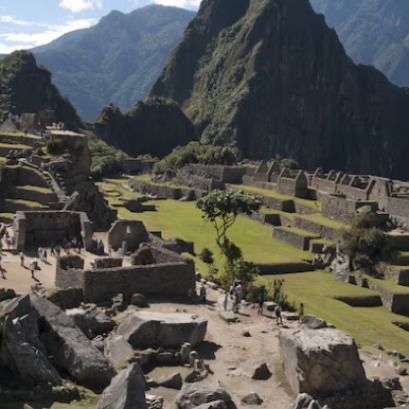 Reforestation advances in the Historic Sanctuary of Machu Picchu with new restored hectares
The plan includes the planting of a thousand new trees in the sanctuary, in response to the damage caused by forest fires and environmental threats, with the support of local authorities and representatives of the tourism sector.
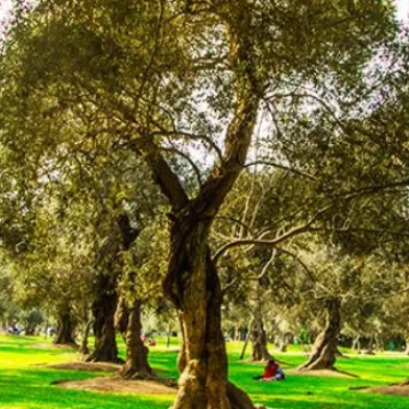 The city in South America that breathes thanks to a thousand olive trees planted in the 17th century
In the heart of South America there is a city that, among the noise and concrete, still breathes thanks to an olive forest
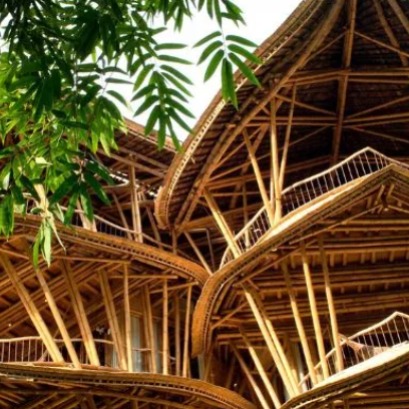 The South American country that changes construction thanks to an ancient, mega-resistant material: more than steel
This material that grows in South America creates the most resistant constructions and radically changes the world of architecture One particular building material has been used for millennia by various cultures in South America. This is due to its structural resistance that allows the creation of homes, bridges and shelters. Its archaeological presence shows that it was one of the most valued construction resources in seismic and humid areas.