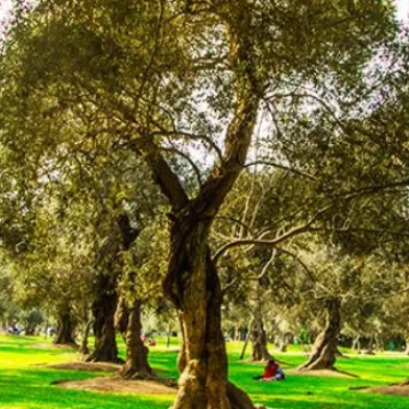
The city in South America that breathes thanks to a thousand olive trees planted in the 17th century
In the heart of South America there is a city that, among the noise and concrete, still breathes thanks to an olive forest
In the heart of South America, there is a city that breathes thanks to its olive trees. In the midst of the bustle, between avenues and modern buildings, a forest of olive trees keeps alive the memory of a country that still converses with its history. It is a place where the city stops to listen to the sound of the leaves and the sigh of time. We tell you how those trees were planted and where in South America they are found. The city in South America that breathes thanks to a thousand olive trees planted in the 17th century That city in the region of South America is Lima, capital of Peru, a metropolis that beats in front of the Pacific Ocean and keeps in its heart a green lung that seems to stop time: the El Olivar Forest, in the district of San Isidro. In the midst of the accelerated pace of the city, this natural space reminds us that the soul of A city can also be found under the shade of a tree. Its history dates back to the 16th century, when the Spanish knight Antonio de Rivera brought three olive tree seedlings from Seville. Only one survived, but its strength was enough to multiply and fill the landscape with more than a thousand trees. Tradition says that San Martín de Porres, the humble saint of Peru, planted one of these olive trees with his own hands in the 17th century. His gesture, born of love for the land and faith, symbolizes the humility that flourishes in the small. Since then, the Olive Grove trees have stood as guardians of time, breathing alongside the city and offering shade, air and beauty. What is this South American olive forest like? The place was declared an Environmental Conservation Area, which guarantees its care and preservation. More than 10 hectares of urban land preserve the harmony between nature, history and architecture. • Around 44 species of trees grow inside, although olive trees are the true protagonists. They represent about 85% of the total vegetation and were the first to take root in this Lima soil. • Among the trees, an Araucaria stands out, more than 40 meters high and nearly 80 years old, considered a heritage tree. Its presence is a column of time that connects past and present. • The El Olivar Cultural Center, the Municipal Library and the Marina Núñez del Prado House Museum operate in the surroundings of the trees, where art and history coexist with nature.
IT MAY INTEREST YOU
 Native forest | In Misiones, controls are tightened on routes for illegal transport of native wood, logging of forests without permits and fraudulent digital guides
Informality in forestry activity in Misiones was once again evident, the culture of operating illegally is a historical problem, and the Ministry of Ecology and Renewable Natural Resources carries out the corresponding control and inspection operations in the regulation of productive activity and sustainable management for the use of native forests.
 Nation reinforces prevention and training against forest fires
The director of the Federal Emergency Agency (AFE), Santiago Hardie, referred to the support that the Nation provides in fighting fires. He argued that the majority of igneous sources respond to human interventions and that, therefore, social awareness is a central tool to reduce environmental, material and human damage.
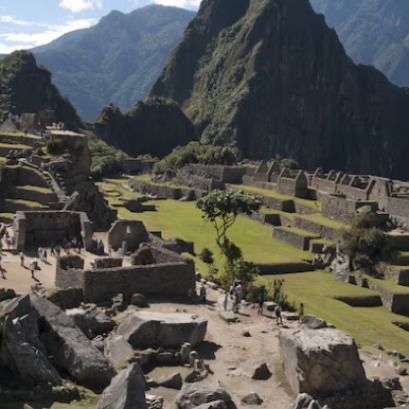 Reforestation advances in the Historic Sanctuary of Machu Picchu with new restored hectares
The plan includes the planting of a thousand new trees in the sanctuary, in response to the damage caused by forest fires and environmental threats, with the support of local authorities and representatives of the tourism sector.