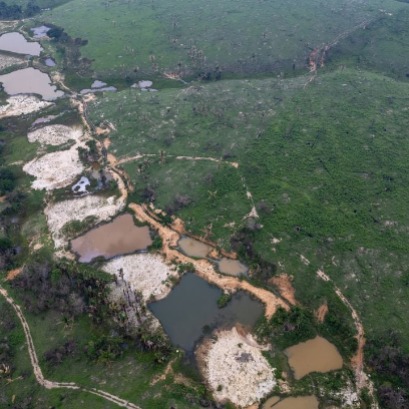
A study reveals that Amazon trees create rain in the drought with surface water
Even during the dry season, the Amazon jungle maintains the formation of rains by recycling surface water, which reinforces its climatic and ecological importance.
The Amazon is not only the largest tropical jungle in the world. It is also a vital engine of the water cycle, capable of generating its own rainfall even during the driest periods of the year.According to a recent study published in the Scientific Journal Proceedings of the National Academy of Sciences (PNAS), local vegetation plays an active role in the return of moisture to the atmosphere through a continuous perspiration process. This phenomenon occurs when trees absorb soil water through the roots and release it through the steam -shaped leaves. This steam, in turn, feeds the so -called flying rivers, invisible currents that transport moisture and contribute to rains in different parts of the country.During the dry season, up to 70 % of the rain that falls on the forest comes from this process. But where does the water that trees use if rainfall are scarce during this period? This was the question that motivated the team of scientists to carry out a detailed study in the National Forest of Tapajós, in parala For the trees during the drought came from very superficial soil layers, up to 50 centimeters deep. Even in places with deep water tables, such as the plateau, on average, 69 % of perspired water came from these superficial layers. These waters come from recent rains during dry season itself. In other words, the forest quickly recycles the water it receives: the rain falls, infiltrates the surface ground, is absorbed and returned immediately to the atmosphere. This reinforces the importance of ecological balance to maintain this continuous cycle. Trees with different capacities make the difference innovative aspect of the research was to identify how different tree species perform specific functions in the hydrological cycle. Not all are equally effective to take advantage of dry soil water. This depends on a characteristic called resistance to the embolia, which measures the capacity of the plant to absorb water even in adverse conditions. The most resilient species can extract water from drier soils and, therefore, return more steam to the atmosphere during droughts. However, the most vulnerable species adopt other strategies, such as developing deeper roots. These differences reflect the biological richness of the forest and show how plant diversity contributes directly to the maintenance of rainfall, not only in the Amazon, but also in other regions of Brazil. Without forest, there is no rain. And without rain, there is no future research offers a clear warning: the loss of vegetation puts the water cycle at risk. If trees are talked, the forest loses its ability to recycle water, which can compromise not only the regional climate, but also agricultural production in regions such as the southeast, the center-west and the south, all benefited by floating rivers. In a scenario where deforestation progresses, driven by bills such as the so-called draft law of devastation, this reality becomes even more worrying. Less trees mean less water, and less water means less rain to the whole country.
IT MAY INTEREST YOU
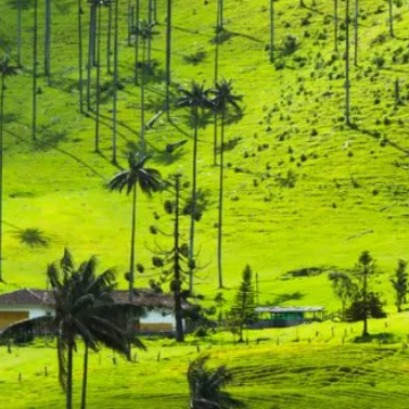 The tallest palm tree in the world is in South America: it is the height of a 20-story building
The worlds tallest palm tree stands deep in South America, a giant that challenges the limits of plant life Deep in South America, between the fog and the mountains, hides a giant tree that few know about. Majestic and silent, challenging the world on what plant life can achieve.
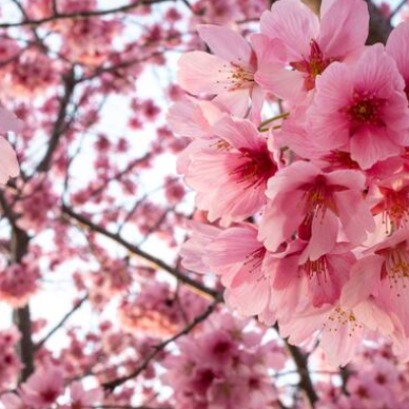 Color the streets pink and white in spring: which is the most beautiful tree in the world and why, according to AI
Its delicate branches, the soft tones of its petals and the harmonious shape of the tree make it an almost poetic image.
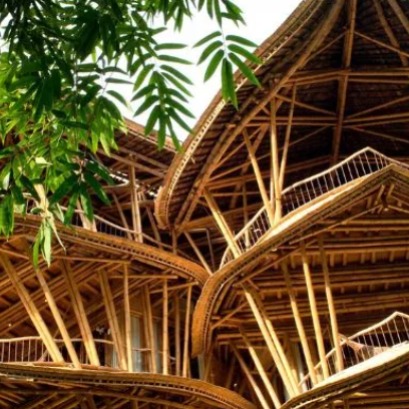 The South American country that changes construction thanks to an ancient, mega-resistant material: more than steel
This material that grows in South America creates the most resistant constructions and radically changes the world of architecture One particular building material has been used for millennia by various cultures in South America. This is due to its structural resistance that allows the creation of homes, bridges and shelters. Its archaeological presence shows that it was one of the most valued construction resources in seismic and humid areas.