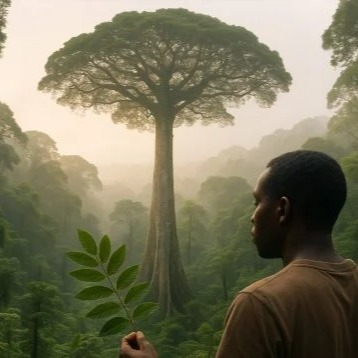
Stupefaction for the finding of a new colossal tree: there are only 1,000 on Earth and they could be 3,000 years old
Although it tends to think that knowledge about the natural environment is close to completing, from time to time there are elements that collapse that idea. New species, unknown biological structures or life forms not classified as this new colossal tree that we are about to reveal, continue to appear in remote areas of the planet.
To corroborate it, you have to move to East Africa. And there, a team of researchers specialized in tropical flora carried out an expedition that resulted in the discovery of an never -registered tree species. It is a discovery that stands out both for its scale and its rarity. What is the species of this new colossal tree and where was it found? In 2019, the Italian botanist Andrea Bianchi and the experts Tanzanos Alayce and Ruben Mwakisoma performed a field work in two community forest reserves of the Udzungwa mountains, in Tanzania. trees that did not match any previously documented species. After an exhaustive analysis, the species was officially recognized and classified as Tessmannia Princeps. This colossal tree stands out for its height, which can reach 40 meters, and by its counter -shaped roots that support a straight trunk and a high glass that stands out from forest canopy. Its cortex presents a grayish tone, and its compound leaves contain a high number of leaflets, a characteristic that differentiates it from other species of the same genus. Although similar trees have been found in other areas of Africa, such as Western jungles, this case is exclusive to Tanzania. The distribution of the species is restricted to two concrete valleys: Boma la Mzinga and Uluti, which limits its global presence to approximately 1,000 mature copies. The discovery was documented in an academic publication that includes a detailed morphological description, illustrations and a key to distinguishing this similar species of the east African. The research continues and the team aims: ? Confirm age through more precise scientific methods. thorns, large and adapted to the mountain and humid environment. Its scientific name, which in Latin means the most eminent, refers to its ability to excel between the vegetation, clearly marking its presence within the ecosystem. During the expedition, the researchers found a specimen fallen due to natural causes and took the opportunity to extract samples of their wood. In the analysis of the nucleus, they identified between 12 and 15 rings per centimeter, an unusual density. According to preliminary figures, the largest trees could have between 2,000 and 3,000 years, which would place them among the oldest in their class. How will the conservation of the Tessmannia Princepsla Rareness of this colossal tree of this colossal tree reside in its size and longevity, but also in its low population and limited geographical distribution. The species was classified as vulnerable under the criteria of the International Union for Conservation of nature (IUCN), which implies a high risk of disappearance if specific measures are not implemented. Known specimens are found in community forest reserves, which implies that its protection depends mainly on local agreements. The absence of strict or state recognition regulations of these areas as national parks could facilitate habitat degradation. These are some of the factors that threaten their conservation: ? Reduction of habitat by agricultural expansion.
IT MAY INTEREST YOU
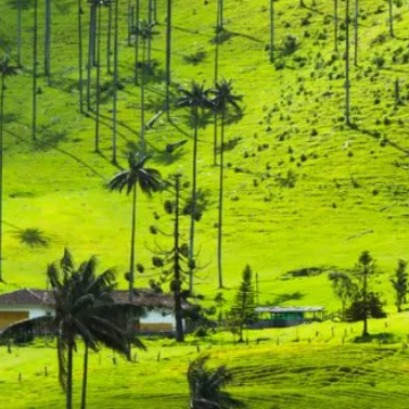 The tallest palm tree in the world is in South America: it is the height of a 20-story building
The worlds tallest palm tree stands deep in South America, a giant that challenges the limits of plant life Deep in South America, between the fog and the mountains, hides a giant tree that few know about. Majestic and silent, challenging the world on what plant life can achieve.
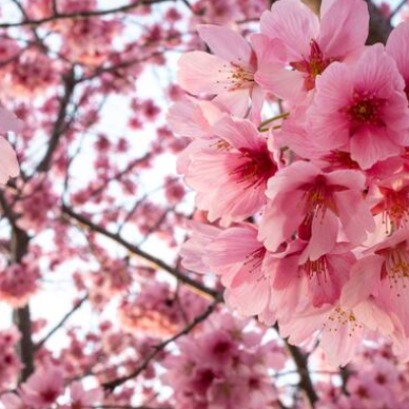 Color the streets pink and white in spring: which is the most beautiful tree in the world and why, according to AI
Its delicate branches, the soft tones of its petals and the harmonious shape of the tree make it an almost poetic image.
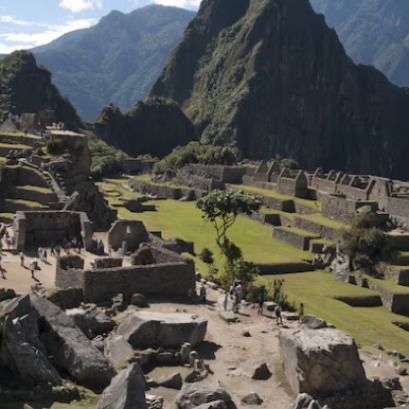 Reforestation advances in the Historic Sanctuary of Machu Picchu with new restored hectares
The plan includes the planting of a thousand new trees in the sanctuary, in response to the damage caused by forest fires and environmental threats, with the support of local authorities and representatives of the tourism sector.