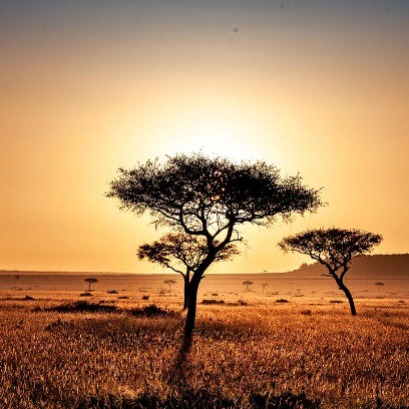
The Amazon jungle approaches inflection points and would become a savannah
According to an investigation published in the Geophysical Research Letters magazine, this ecosystem could be approaching a turning point that, in less than a century, could transform it into a dry savanna. The team in total identified three inflection points.
A new study reveals a disturbing panorama for the Amazon, the largest tropical jungle in the world. According to an investigation published in the Geophysical Research Letters magazine, this ecosystem could be approaching a turning point that, in less than a century, could transform it into a dry savanna. In addition, it plays a key role in the global cycles of water and carbon, regulating the climate. In recent years, tropical jungles, such as the Amazon, have shown vulnerability to forest droughts and fires, driven by climate change and deforestation. Only in 2024, the Brazilian Amazon lost 28,000 km² of forest coverage, according to the most recent report of the World Resources Institute. To evaluate how this ecosystem would respond to the combination of climate change and deforestation, a team of researchers, led by Andrew Friend, professor of terrestrial systems at the University of Cambridge, used a computer model. The simulation represented an average point within the Amazon basin, covering the area where the Amazon River and its tributaries flow. Based on the results, the team of researchers identified three turning points: a 65 % decrease in forest coverage, a 10 % reduction in moisture from the Atlantic and a 6 % drop in rainfall. Specialized in science, Friend explained that beyond these thresholds, small changes in climate or forest coverage of the region could take the forest to the limit, transforming this ecosystem into a meadow. The main reason, the researcher added, is because the phenomenon would be driven by a feedback cycle between the earth, vegetation and atmospheric humidity. Trees absorb soil water and release steam through evaporation and perspiration. That steam is condensed in the atmosphere and rain shape, which returns to the ground to feed the trees, and thus the cycle continues, the researcher noted. But if there are fewer trees, there is less evapotranspiration, less rain and, consequently, the forest dries and becomes savanna. This change may be due to deforestation, but climate change can also cause it, which alters the total amount of water that enters the basin from the Atlantic Ocean, said Live Science. While adjusting the tool, the authors of the study warn that it is urgent to take measures to prevent the Amazon from crossing this threshold.
IT MAY INTEREST YOU
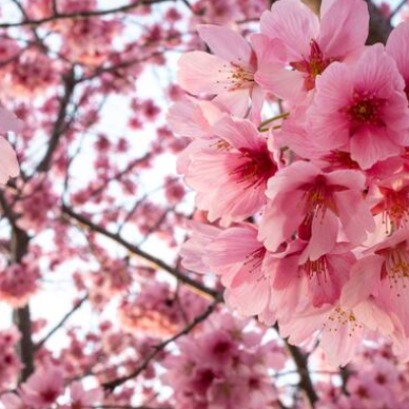 Color the streets pink and white in spring: which is the most beautiful tree in the world and why, according to AI
Its delicate branches, the soft tones of its petals and the harmonious shape of the tree make it an almost poetic image.
 Native forest | In Misiones, controls are tightened on routes for illegal transport of native wood, logging of forests without permits and fraudulent digital guides
Informality in forestry activity in Misiones was once again evident, the culture of operating illegally is a historical problem, and the Ministry of Ecology and Renewable Natural Resources carries out the corresponding control and inspection operations in the regulation of productive activity and sustainable management for the use of native forests.
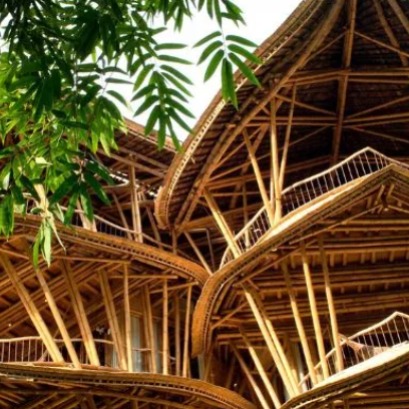 The South American country that changes construction thanks to an ancient, mega-resistant material: more than steel
This material that grows in South America creates the most resistant constructions and radically changes the world of architecture One particular building material has been used for millennia by various cultures in South America. This is due to its structural resistance that allows the creation of homes, bridges and shelters. Its archaeological presence shows that it was one of the most valued construction resources in seismic and humid areas.