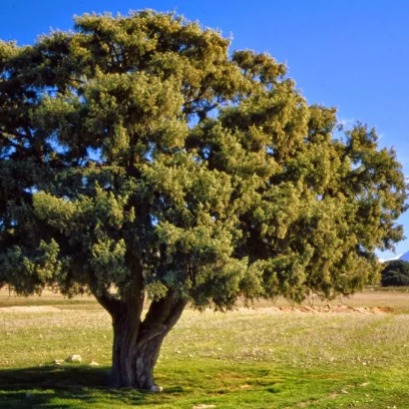
The incredible 47,000 -year -old tree who lived with mammoths and saber tigers
Thousands of years ago on planet Earth a tree lived next to mammoths and sabable tigers, scientific evidence proves its extinction for human activities.
Trees are essential from the formation of planet Earth. These provide essential resources, contribute to the ecological balance and play a crucial role in the health and quality of life of the communities. In the heart of the angels, the renowned tar wells of the break, famous for their megafauna fossils of the Pleistocene, have provided a significant find for the historical and climatic understanding of the region. We tell you about this tree with thousands of years on the planet Earth. The incredible 47,000 -year -old tree who lived with researchers have identified a kind of fossil juniper, the Juniperus Scopulorum, a tree that disappeared locally thousands of years ago. This discovery provides crucial information about climate evolution and offers valuable perspectives to face current environmental challenges. The study, published in New Phytologist, combines advanced techniques to trace the local extinction of this species of tree, which inhabited the area for approximately 47,000 years until its disappearance at the end of the Pleistocene. The extinction of this tree coincides with the loss of large mammals such as mammoths and tigers saber teeth, evidencing the joint influence of climate changes and human activities in the transformation of ecosystems. What does the disappearance of this tree mean? A pattern of alternation was identified between two species of junctions: Juniperus Californica, drought resistant, and Juniperus Scopulorum, sensitive to aridity and associated with more humid conditions. This dynamic reflects historical climatic fluctuations so far. Through detailed morphological analysis and electronic microscopy, the species was confirmed. Its extinction is attributed to the reduction of favorable habitats, the increase of natural fires and those caused by humans, to which the juniors are particularly vulnerable. This finding has important implications for current conservation, since modern junctions show signs of climate stress similar to those that led to the extinction of this tree. Understanding these historical processes can guide strategies to mitigate the effects of climate change in California ecosystems and related regions.
IT MAY INTEREST YOU
 Reforestation advances in the Historic Sanctuary of Machu Picchu with new restored hectares
The plan includes the planting of a thousand new trees in the sanctuary, in response to the damage caused by forest fires and environmental threats, with the support of local authorities and representatives of the tourism sector.
 Nation reinforces prevention and training against forest fires
The director of the Federal Emergency Agency (AFE), Santiago Hardie, referred to the support that the Nation provides in fighting fires. He argued that the majority of igneous sources respond to human interventions and that, therefore, social awareness is a central tool to reduce environmental, material and human damage.
 The discovery of methane-producing bacteria in trees rethinks the ecological role of forests
Pioneering study shows trees surprising internal microbial diversity and potential influence on global climate, driving novel strategies for agricultural and forestry management