Red gold: the well -known Latin American tree that is a luxury and culture symbol
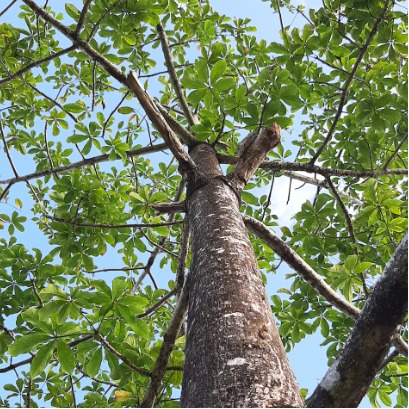
The wood of this iconic exemplary is vital for the environment and represents durability, beauty and versatility. In Latin America, there is an iconic tree that stands out not only for its important presence, but also because the quality of wood is such that it is known as red gold.
This tree, a symbol of the natural wealth of the region, not only stands out for its beauty, but also for its vital importance for the environment, economy and local culture. For centuries, its durability, versatility and attraction have made it a key resource for various communities. It is about the so -called mahogany tree (scientifically known as Swietenia Macrophylla), originally from the tropical forests of Latin America. It is known for its wood, its resistance to pests and its ability to withstand the most extreme climatic conditions. Another extraordinary characteristic of this mahogany tree, is that its wood is the preferred material for luxury furniture, musical instruments and high -end vessels. This tree, whose silhouette looks like a whale crossing the sea, grows in countries such as Brazil, Bolivia, Peru, Peru, Ecuador, Ecuador, Colombia and Venezuela North, from Panama to Mexico, where phenomena such as hurricanes and floods have facilitated their regeneration. It grows, however, intensive exploitation and illegal logging significantly reduced its populations, which has led to its inclusion in Appendix II of the CITES, regulating its international trade. His cultural significance is extremely strong, since in local communities, mahogany represents strength and connection with nature. It is used in crafts and, in some cases, in traditional medicine, although without solid scientific evidence. Caoba not only beautifies tropical forests, but also supports ecosystems and cultures. However, for many environmentalists their future depends on sustainable practices that balance their use with conservation.
IT MAY INTEREST YOU
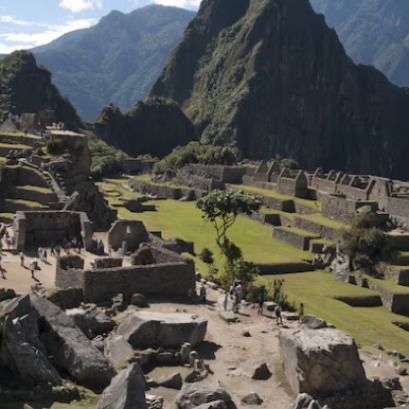 Reforestation advances in the Historic Sanctuary of Machu Picchu with new restored hectares
The plan includes the planting of a thousand new trees in the sanctuary, in response to the damage caused by forest fires and environmental threats, with the support of local authorities and representatives of the tourism sector.
 The discovery of methane-producing bacteria in trees rethinks the ecological role of forests
Pioneering study shows trees surprising internal microbial diversity and potential influence on global climate, driving novel strategies for agricultural and forestry management
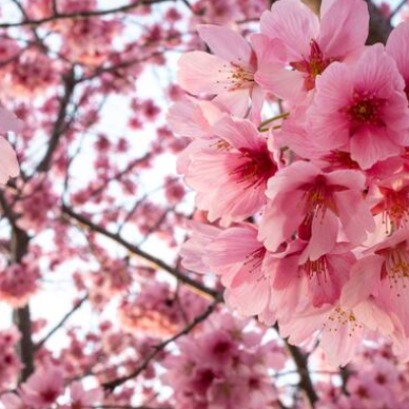 Color the streets pink and white in spring: which is the most beautiful tree in the world and why, according to AI
Its delicate branches, the soft tones of its petals and the harmonious shape of the tree make it an almost poetic image.