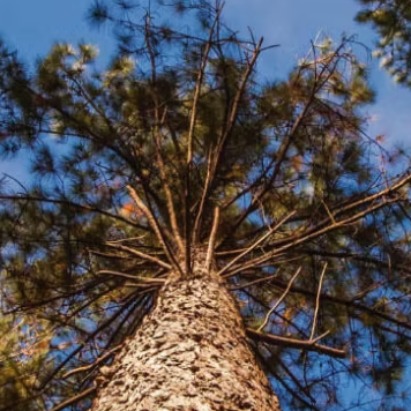

Forestal Las Marías modernizes their sawmill to double its productive capacity
The company starts an ambitious technological investment with state -of -the -art machinery of Brazilian origin. In a first stage, its production of tables will increase by 40%, with the goal of reaching 25,000 m³ per month and thus respond to the growing demand of the international market.
Forestal Las Marias is in an investment stage to change its current sawing line for a latest generation, of Brazilian origin, which will allow them Quadruple endless saw with 1,600 mm flyers and progress of 100 meters/ minute, multiple mountain range for central asset. Cantator with digital, high -speed optimizer for the use of lateral wood, the idea is to produce 12,000 m3 of boards per shift, at the beginning. until completing the investment program consisting of another drying line and a Dry Mill, (classified and production packaging), and then passed to two shifts for a production of 25,000 m3 per month assuming an improvement in logistics through the river. The objective is to supply the growing demand for customers of the external market
IT MAY INTEREST YOU
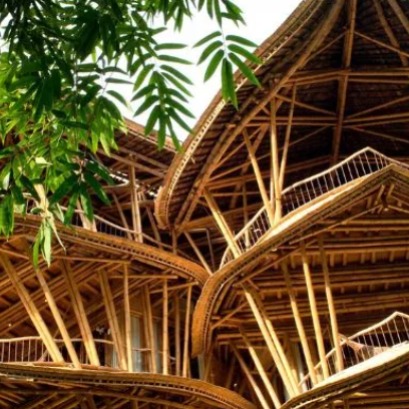 The South American country that changes construction thanks to an ancient, mega-resistant material: more than steel
This material that grows in South America creates the most resistant constructions and radically changes the world of architecture One particular building material has been used for millennia by various cultures in South America. This is due to its structural resistance that allows the creation of homes, bridges and shelters. Its archaeological presence shows that it was one of the most valued construction resources in seismic and humid areas.
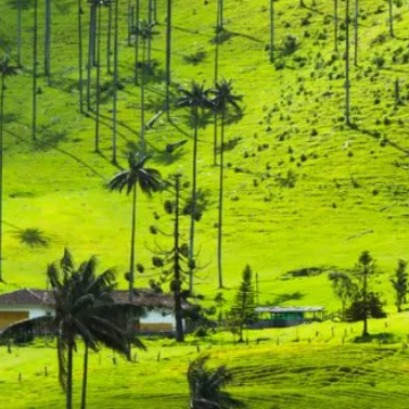 The tallest palm tree in the world is in South America: it is the height of a 20-story building
The worlds tallest palm tree stands deep in South America, a giant that challenges the limits of plant life Deep in South America, between the fog and the mountains, hides a giant tree that few know about. Majestic and silent, challenging the world on what plant life can achieve.
 The DNA of forests: they discover what makes a tree resist drought
An international team, with the participation of INTA and Conicet, discovered that genetics can be decisive for trees to better resist droughts