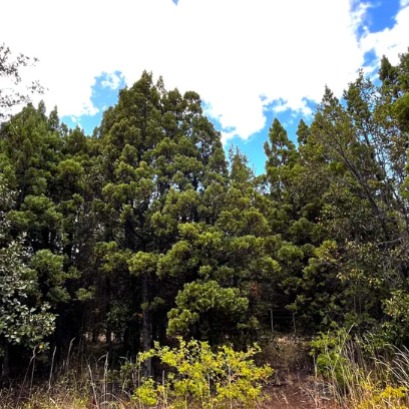
The silent, but vital work of dead wood in the forests of Patagonia
Dead wood, far from being waste, is vital in Patagonian forests. It favors regeneration, fertilizes soil and refuge fauna, according to Lanín Park. Your key role after fires
Far from being a simple waste, dead wood plays a fundamental and active role in the health and regeneration of Andean-Patagonic forests, as recently stood out from Lanín National Park. Fallen branches, stumps and trunks, both standing and demolished, are essential components for the natural functioning of these ecosystems. In forests, dead wood favors regeneration because when decomposing collaborates with soil fertility and improves water retention, they explained from the intention of the Lanín National Park. This natural process creates the optimal conditions so that new plants can grow, facilitating the life cycle of the life of the life of the life of the life of the life of the life Forest. In addition to its contribution to the ground, dead wood becomes a valuable refuge for a diversity of species. Since the role of that dead wood in the recovery of the forest is very important, since it will contribute nutrients to the burned soil and allow life to slowly return. Biodiversity, volcanoes, plains, mountains and lakes, connected by circuits and trails, including the emblematic Andean Footprint.
IT MAY INTEREST YOU
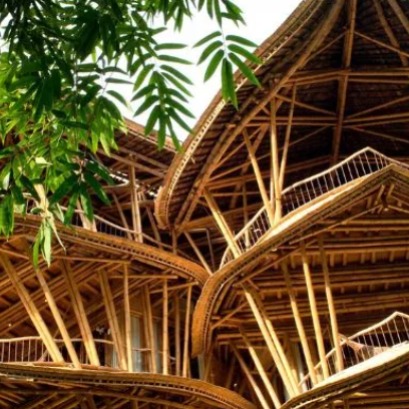 The South American country that changes construction thanks to an ancient, mega-resistant material: more than steel
This material that grows in South America creates the most resistant constructions and radically changes the world of architecture One particular building material has been used for millennia by various cultures in South America. This is due to its structural resistance that allows the creation of homes, bridges and shelters. Its archaeological presence shows that it was one of the most valued construction resources in seismic and humid areas.
 Nation reinforces prevention and training against forest fires
The director of the Federal Emergency Agency (AFE), Santiago Hardie, referred to the support that the Nation provides in fighting fires. He argued that the majority of igneous sources respond to human interventions and that, therefore, social awareness is a central tool to reduce environmental, material and human damage.
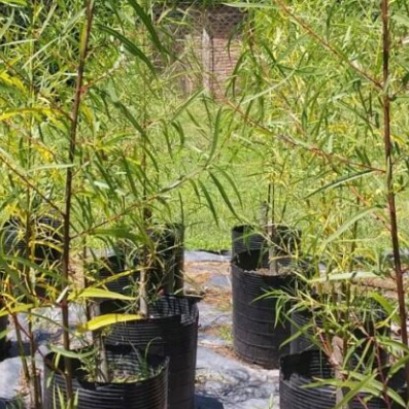 INTA Delta begins propagation of seven Creole willow clones for ecological restoration in Paraná
As a result of the rescue, domestication and registration work carried out by Teresa Cerrillo, a leading researcher in Salix Genetic Improvement, within the framework of the National Genetic and Forest Resources Programs of INTA, the multiplication and propagation of seven clones of Creole willow (Salix humboldtiana) began recently registered in the National Seed Institute (INASE) by INTA Delta del Paraná.