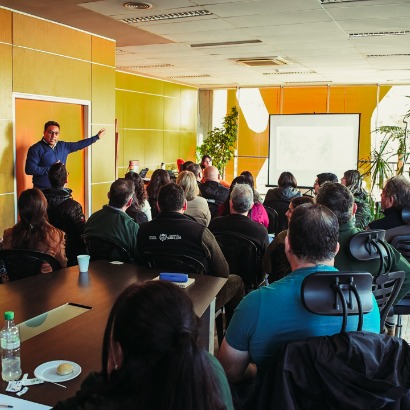
Successful training on technical and professional guidelines of native forests
The first meeting was intended for the body of inspectors, biodiversity technicians, workers from protected natural areas, fire and fauna care, environmental education technicians, drivers and technicians of the Sustainable Development Sub -Directorate
The formative space had the main objective of improving the institutional response to deforestation, articulating common knowledge, resources and practices for a more effective and coordinated management of the native forest. In the same way, the technical and legal tools for the care and protection of our natural environment were addressed. We are facing a context that challenges us to act with commitment, knowledge and planning. Forests are not only biodiversity reserves, but also sources of life, culture, identity and livelihood for our communities. Therefore, we believe it is essential to obtain technical and legal tools to achieve teams trained capable of identifying criteria for the implementation of the law, said the Sustainable Development Deputy Director, Daniela Montalvini, in the opening of the formation. The management of native forests focuses on the management and sustainable use in search of balancing the conservation of biodiversity and the provision of goods and services with the needs of the communities that inhabit the needs of the communities. For this, it is important to plan, monitor and evaluate human interventions in forest ecosystems to achieve specific objectives related to environmental conservation, economy and society. Through this space, we seek that participants acquire practical tools for the recognition of native forest, the identification of different types of interventions and the appropriate record in inspection acts. Likewise, basic knowledge about georeferencing, use of GPS, navigation applications such as Google Earth, interpretation of satellite images and vector files (such as KMZ) will be provided, together with fundamental theoretical concepts for the interpretation of coordinates. All this in order to consolidate a more effective, coordinated and technically solid institutional response against the problem of deforestation, the exhibitors pointed out.
IT MAY INTEREST YOU
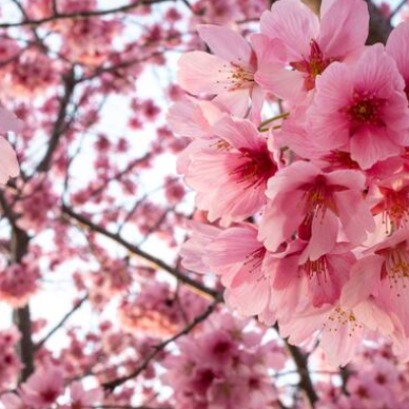 Color the streets pink and white in spring: which is the most beautiful tree in the world and why, according to AI
Its delicate branches, the soft tones of its petals and the harmonious shape of the tree make it an almost poetic image.
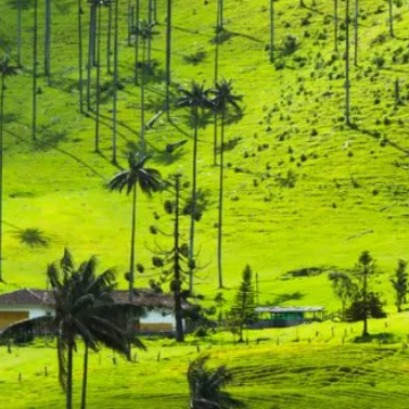 The tallest palm tree in the world is in South America: it is the height of a 20-story building
The worlds tallest palm tree stands deep in South America, a giant that challenges the limits of plant life Deep in South America, between the fog and the mountains, hides a giant tree that few know about. Majestic and silent, challenging the world on what plant life can achieve.
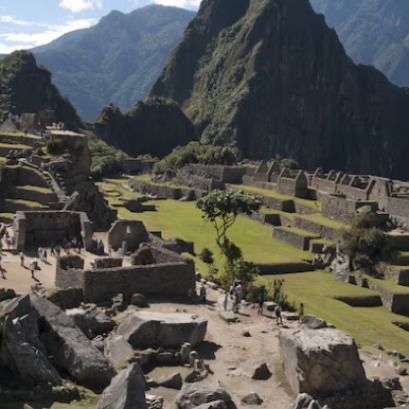 Reforestation advances in the Historic Sanctuary of Machu Picchu with new restored hectares
The plan includes the planting of a thousand new trees in the sanctuary, in response to the damage caused by forest fires and environmental threats, with the support of local authorities and representatives of the tourism sector.