Towards responsible consumption in Argentina: PEFC launches its first virtual training program on Chain of Custody for forest products in 2025
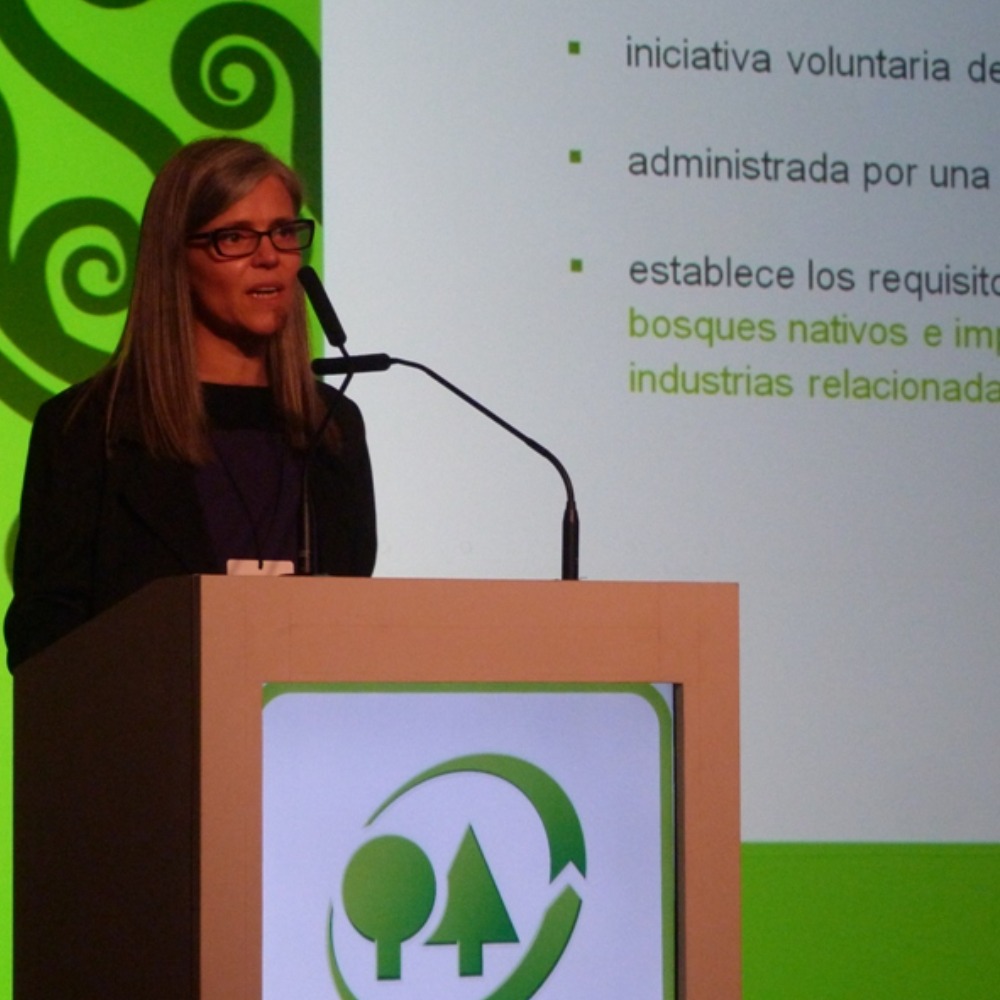
In a global context where responsible consumption and sustainability are increasingly relevant, PEFC Argentina and PEFC Uruguay present their first 2025 Virtual Training Program on custody chain for forest base products, which will begin on April 23, with a duration of four months. The initiative is aimed at technicians and professionals linked to the processing and elaboration of forest products. The program is tariff, and aims to acquire the necessary competences to implement the requirements of the PEFC certification scheme, which will allow companies to reach and maintain high international standards in traceability and sustainability. When we talk about custody chain we refer to the process that ensures that wood and other products from native forests, plantations and recycled materials are traceable, sustainable and from controlled sources, explained Florencia Chavat, executive director of Cerfoar - Pefc Argentina and one of those responsible for the course.
The training will address in depth the PEFC ST 2002: 2020 (custody chain requirements) and PEFC ST 2001: 2020 (rules for PEFC brands), fundamental to understanding traceability from the forest to the final consumer, in value chains such as paper, cardboard and packaging. Classes will be dictated on Wednesdays from 15 to 18 hours for four months for four months, and they will include practical exercises The trainers. To obtain the certification, a minimum assistance of 80% and the delivery of all practical works will be required. At the end, those who approve the training will be included in the Official Registry of Implementers formed in Custody Chain and PEFC brands, adding a valuable professional endorsement in an increasingly more committed market to transparency, the legal origin of the products and the circular economy.
IT MAY INTEREST YOU
 The DNA of forests: they discover what makes a tree resist drought
An international team, with the participation of INTA and Conicet, discovered that genetics can be decisive for trees to better resist droughts
 Color the streets pink and white in spring: which is the most beautiful tree in the world and why, according to AI
Its delicate branches, the soft tones of its petals and the harmonious shape of the tree make it an almost poetic image.
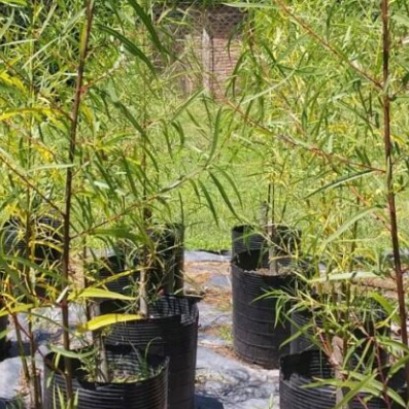 INTA Delta begins propagation of seven Creole willow clones for ecological restoration in Paraná
As a result of the rescue, domestication and registration work carried out by Teresa Cerrillo, a leading researcher in Salix Genetic Improvement, within the framework of the National Genetic and Forest Resources Programs of INTA, the multiplication and propagation of seven clones of Creole willow (Salix humboldtiana) began recently registered in the National Seed Institute (INASE) by INTA Delta del Paraná.