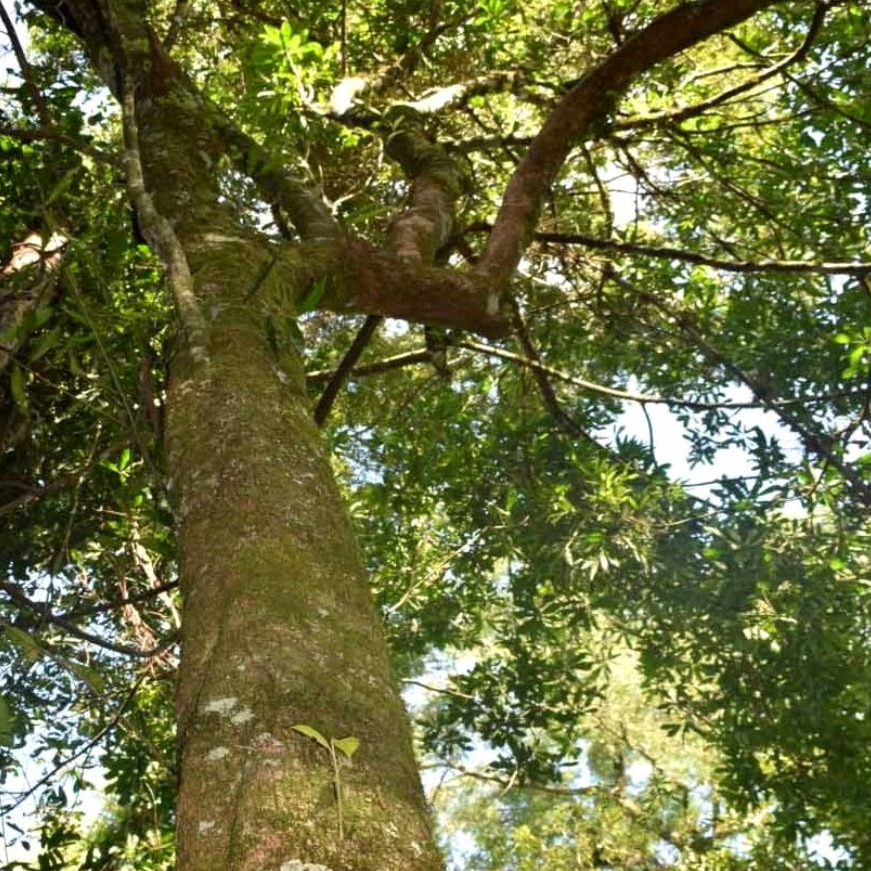
I met the Aguaí tree: one of the native timber species of the missionary jungle
As a result of the collaboration between the Faculty of Forest Sciences of the UNAM and the United States Forest Service (USFS) through the ?Update and Edition of the Madera Madera Identification Manual of the Missionary Jungle?, they developed a species manual of species Missions natives (2024) to publicize its characteristics, uses and environmental services.
Within the framework of World Environmental Education Day, every January 26, from Argentinaforestal.com we will present in various publications to the different species of native trees of the missionary jungle with a technical data sheet obtained in the Wood Anatomy Laboratory , Dendrology and Dendrocronology (Lamdyd) of the Faculty of Forest Sciences, based in Eldorado, Misiones. We started, knowing the Aguí! Did you know that ...? The fruit of Aguaí is edible and has great value for local fauna. In addition, its wood is very sought after for fine carpentry projects due to its unique texture and coloration. Knowing the technical water tree: Aguaí (Chloroluma Gonocarpa) ? Natural distribution: Aguaí grows spontaneously in the provinces of Chaco, Corrientes, Entre Ríos, Formosa, Jujuy, Misiones, Salta, Santa Fe and Tucumán ? Botanical description: Up to 25 meters. Diameter: Reach 70 cm at chest height in its adult stage. with dichotomous branching. Slips: alternate, simple, 5.8 to 20.2 cm long and 1.3 to 7 cm wide. Oblongs or lanceolate, whole edge, dark green up and lighter below, of coriacea cartaceous consistency. Flores: greenish, small yellow (2.5 to 5 mm), grouped into glomeruli from 1 to 6.fruits: yellow berries When they mature, in an ellipsoid or globose way, they contain 1 to 5 edible seeds with crescent format. Maderacolor characteristics: Albura and Duramen Indistintes, with yellowish hue. Texture: fine and moderately heavy. Humidity, although it is permeable for impregnation treatments ? Anatomical characteristics Axial-sight: diffuse or aggregates. Width and 300-500 µm height Exudes a sticky white latex. Main timber uses carpentry: moldings, tool ends, small furniture. Combustible: Excellent for firewood and coal.
IT MAY INTEREST YOU
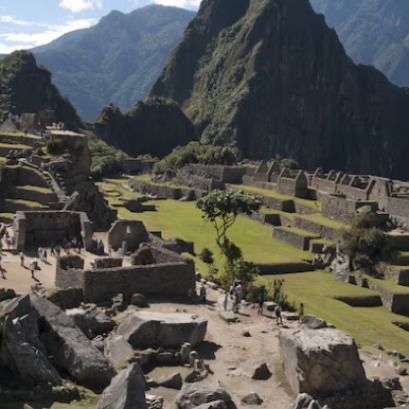 Reforestation advances in the Historic Sanctuary of Machu Picchu with new restored hectares
The plan includes the planting of a thousand new trees in the sanctuary, in response to the damage caused by forest fires and environmental threats, with the support of local authorities and representatives of the tourism sector.
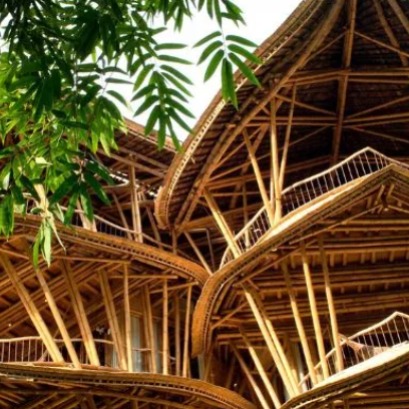 The South American country that changes construction thanks to an ancient, mega-resistant material: more than steel
This material that grows in South America creates the most resistant constructions and radically changes the world of architecture One particular building material has been used for millennia by various cultures in South America. This is due to its structural resistance that allows the creation of homes, bridges and shelters. Its archaeological presence shows that it was one of the most valued construction resources in seismic and humid areas.
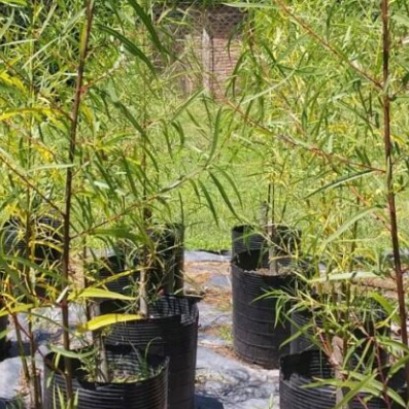 INTA Delta begins propagation of seven Creole willow clones for ecological restoration in Paraná
As a result of the rescue, domestication and registration work carried out by Teresa Cerrillo, a leading researcher in Salix Genetic Improvement, within the framework of the National Genetic and Forest Resources Programs of INTA, the multiplication and propagation of seven clones of Creole willow (Salix humboldtiana) began recently registered in the National Seed Institute (INASE) by INTA Delta del Paraná.