Why are the trunks of some trees white
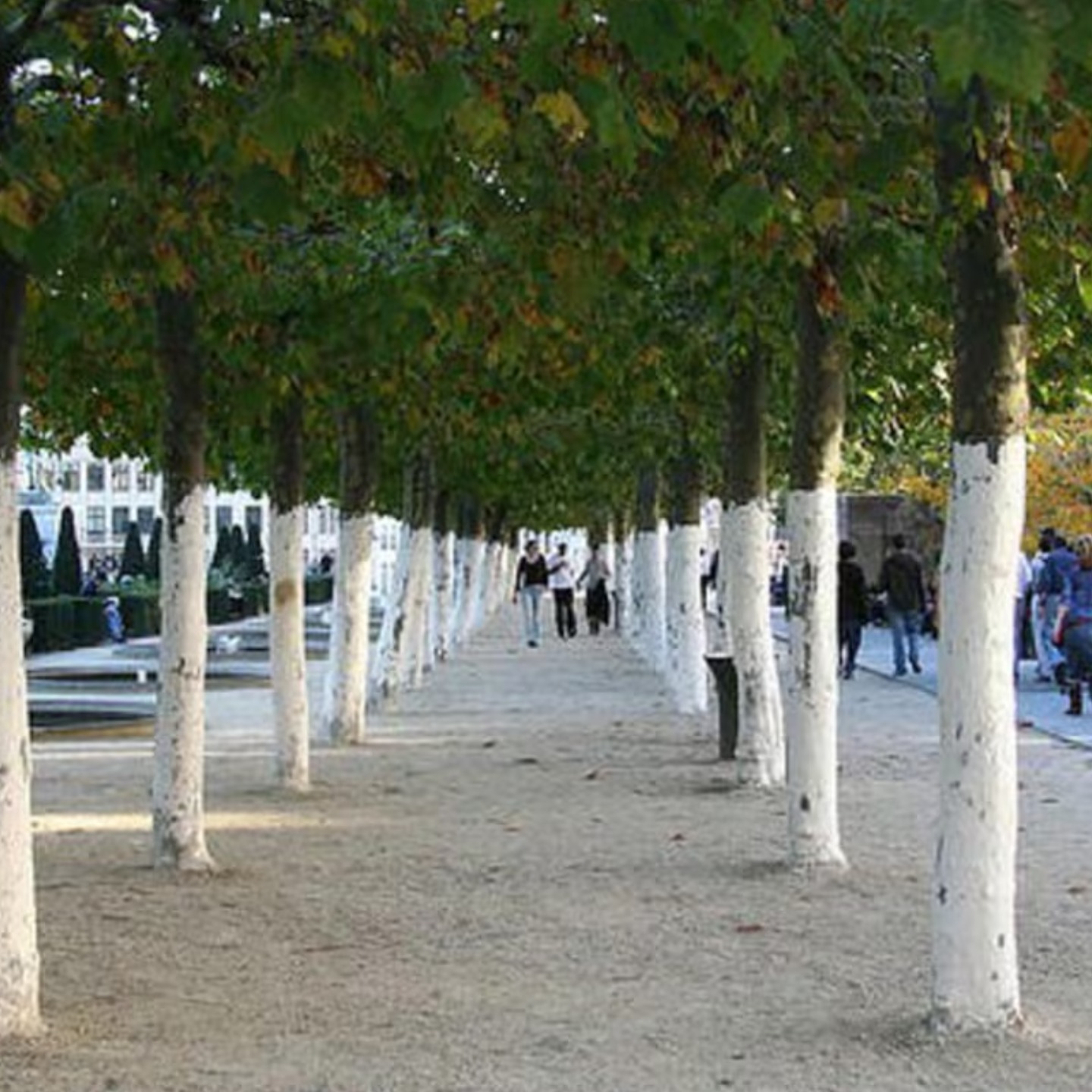
White or wrapped painted of tree trunks is a common practice that goes beyond aesthetics. In various places, streets and even rural areas, this technique that has specific purposes for their protection, especially those youngest or vulnerable can be observed.
One of the main benefits of this technique is protection against solar radiation. Young trees with thinner cortes are especially susceptible to solar burns, which can weaken their structure and generate damage to new outbreaks. When applying a layer of lime in the trunks, direct exposure to the sun is reduced since a physical barrier is created that protects the cortex. In areas with extreme climates, the white painted helps protect trees from both excessive heat in Summer as frost in winter. The Cal applied in the trunks acts as an insulator, regulating the temperature of the cortex and minimizing the damage that may occur during the most extreme stations. The enchanted also contributes to the maintenance of the pH in alkaline soils. When gradually washed by irrigation or rain, lime is modifying the pH of the ground around the tree trunk, which can improve the conditions for its growth. This is important in agricultural areas where fruit trees, such as cherry trees, apple trees, require specific soil conditions to properly develop. Despite their multiple benefits, the dwelling also their detractors. Some experts argue that the cals applied in the trunks can hinder the breathing of the tree, since, in addition to using the leaves and branches, the trunk also participates in the gas exchange. In some cases, it can also hide the presence of pests or diseases, such as fungi, whose color can be confused with that of lime.
IT MAY INTEREST YOU
 INTA Delta begins propagation of seven Creole willow clones for ecological restoration in Paraná
As a result of the rescue, domestication and registration work carried out by Teresa Cerrillo, a leading researcher in Salix Genetic Improvement, within the framework of the National Genetic and Forest Resources Programs of INTA, the multiplication and propagation of seven clones of Creole willow (Salix humboldtiana) began recently registered in the National Seed Institute (INASE) by INTA Delta del Paraná.
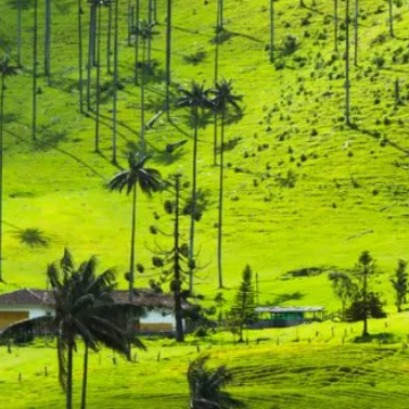 The tallest palm tree in the world is in South America: it is the height of a 20-story building
The worlds tallest palm tree stands deep in South America, a giant that challenges the limits of plant life Deep in South America, between the fog and the mountains, hides a giant tree that few know about. Majestic and silent, challenging the world on what plant life can achieve.
 The discovery of methane-producing bacteria in trees rethinks the ecological role of forests
Pioneering study shows trees surprising internal microbial diversity and potential influence on global climate, driving novel strategies for agricultural and forestry management