More than 20 % of land plant species are found only on islands, and the time is over to save them
A new study maps the species that exist in the world and warn about the risk that inhabit those that inhabit exclusively in island territories.
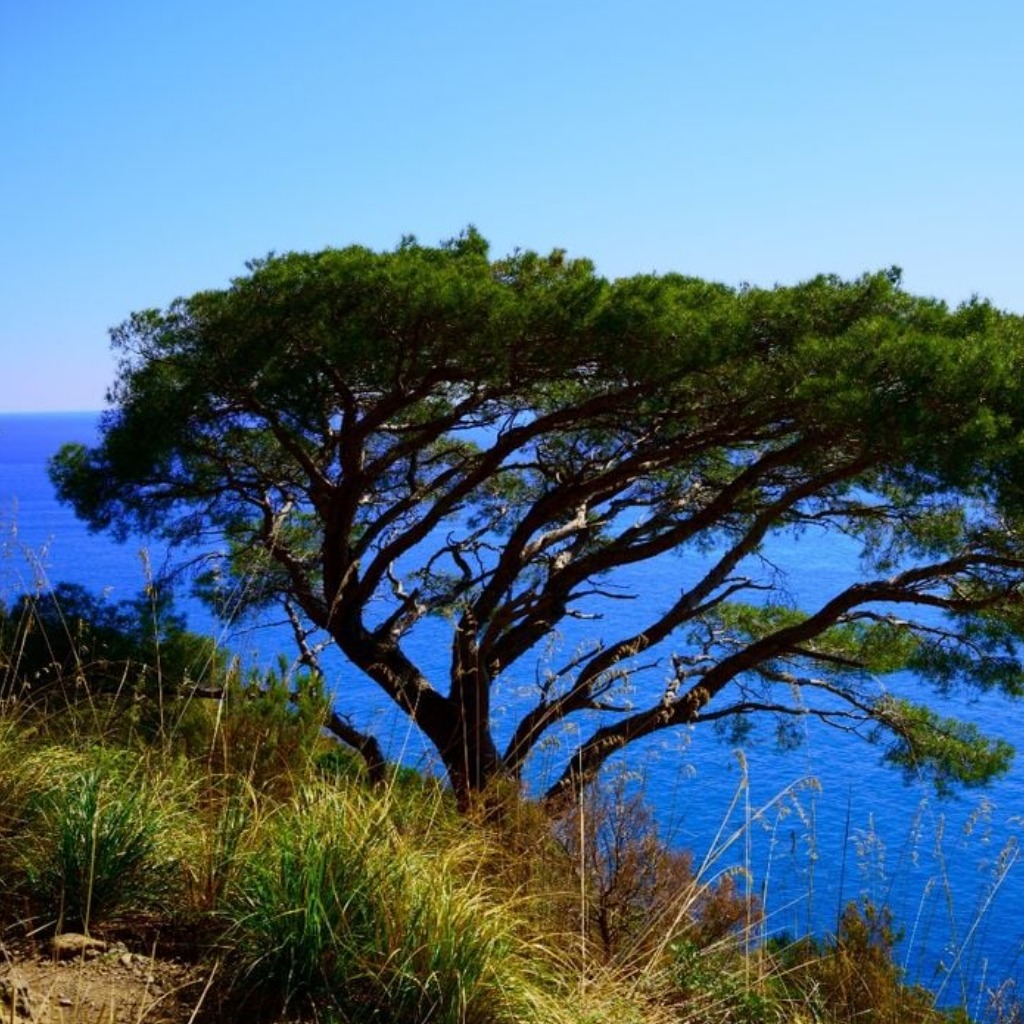
20 % of the plant species that exist in the world inhabit 5.3 % of the earths surface: the islands. For this reason, its vulnerability is higher and the threat of extinction is a risk to the biodiversity of the planet. This is the conclusion of a study that was published this week in the journal Nature. The investigation, headed by an international team of scientists, relieved and mapped the diversity of the flora in more than 3400 geographical regions, including around 2000 islands, and determined that 21 % of the species of plants in the world are endemic of these areas of these areas ?Our analysis of 304,103 plant species reveal that 94,052 species (31 %) are native of the islands, which constitute 5.3 % of the world land mass. Of these, 63,280 are island endemic species, which represent 21 % of world plant diversity, ?says the study. The authors underline that, although the islands represent only 5.3 % of the earths surface, their contribution to biodiversity It is disproportionately high. According to the researchers, the islands - which defined as masses of land surrounded exclusively of water and smaller than the continents - are evolutionary laboratories that house species that are not found in other places, so that their preservation is key For the biodiversity of the entire planet. Insular plants run a much higher risk of extinction compared to the plants that inhabit the continents. Risks are multiple. To begin with, these are smaller populations and with unique evolutionary features, which makes them vulnerable to invasive, animals and plant species. Habitat degradation and climate change also put their survival in check. These factors have led to approximately 57 % of the endemic species evaluated are considered in danger of extinction. The study highlights an alarming fact: 176 species of endemic plants already They are classified as extinct, which represents 55 % of all extinct plant species worldwide. An emblematic case is the Vulcanian palm of Hawaii, which no longer exists in the wild but survives as a ornamental plant in gardens. Among these endemic species, 51% is threatened and 55% of all documented global extinctions have occurred in islands, The study warns. According to the data collected, only 6 % of the endemic plant species are found in islands that meet the global objective of protecting 30 % of the earth and oceans by 2030, as established by the United Nations. Regions such as New Caledonia , Madagascar and New Guinea, known for their high biodiversity, have a low percentage of protected areas, which aggravates the situation. Before this panorama, researchers make an urgent call to the international community to implement effective conservation measures in these regions. Among the proposals include the extension of protected areas, the prioritization of the islands with the largest number of endemic species and the execution of habitat restoration projects. The authors also indicate the need for precise data to guide conservation strategies in the future. They also warn that, without urgent measures, many species could disappear forever, with serious consequences for the balance of ecosystems and global biodiversity.
IT MAY INTEREST YOU
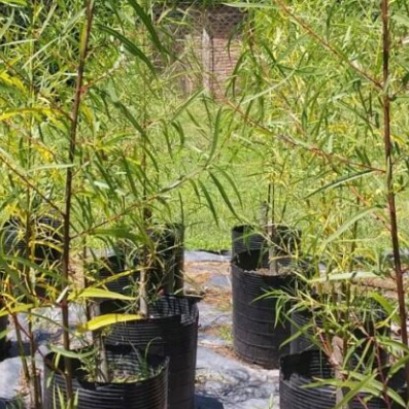 INTA Delta begins propagation of seven Creole willow clones for ecological restoration in Paraná
As a result of the rescue, domestication and registration work carried out by Teresa Cerrillo, a leading researcher in Salix Genetic Improvement, within the framework of the National Genetic and Forest Resources Programs of INTA, the multiplication and propagation of seven clones of Creole willow (Salix humboldtiana) began recently registered in the National Seed Institute (INASE) by INTA Delta del Paraná.
 Nation reinforces prevention and training against forest fires
The director of the Federal Emergency Agency (AFE), Santiago Hardie, referred to the support that the Nation provides in fighting fires. He argued that the majority of igneous sources respond to human interventions and that, therefore, social awareness is a central tool to reduce environmental, material and human damage.
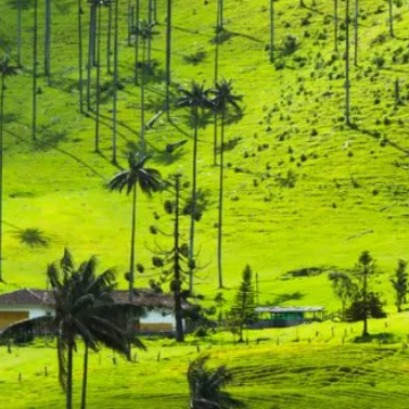 The tallest palm tree in the world is in South America: it is the height of a 20-story building
The worlds tallest palm tree stands deep in South America, a giant that challenges the limits of plant life Deep in South America, between the fog and the mountains, hides a giant tree that few know about. Majestic and silent, challenging the world on what plant life can achieve.