Tree Day in Argentina: What is the origin and why was it chosen on August 29?
The impulse of Estanislao Zeballos to generate ecological awareness in our country. Today the day of the tree is celebrated in Argentina. The countries established different dates to raise awareness about the importance of trees for the life of the planet. What was the origin of this celebration in Argentina? ...
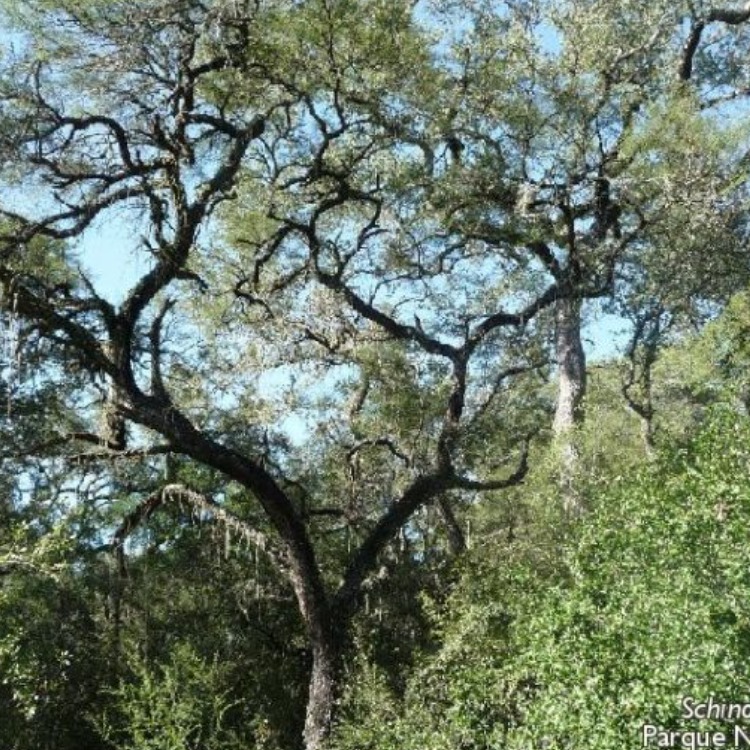
Estanislao Zeballos, an exponent of the 80th generation, established in the National Council of Education a special day dedicated to the tree. August 29, 1901 was the first time that tree day was held as a goal to highlight awareness about caring and protecting wooded surfaces. It is also intended to establish a policy to plant spaces in different spaces. Over time, it became a call to alert about climate change and indiscriminate felling. Another promoter of afforestation was Domingo Faustino Sarmiento who pointed out that ?the cultivation of trees suits a pastoral country like ours, because not only the Arboriculture joins livestock, but must be considered an indispensable complement. ?The destruction of the Native Argentina forests, for almost 13 years, is in force Law 26,331 of native forests. It is an indispensable tool to plan the use of these ecosystems allowing to balance the production and conservation of nature. The forest law changed the national scenario for the protection of native forests and made visible the problem and importance of the conservation of these ecosystems. In addition, it encouraged a progressive decrease in the annual deforestation rate in Argentina, stabilizing in recent years. However, since 2007, in Argentina 3,500,000 hectares of native forests were lost and with them all the associated benefits. 60% of the Argentine native forests are in the Chaco region, which occupies 11 of the 23 provinces of our country.
IT MAY INTEREST YOU
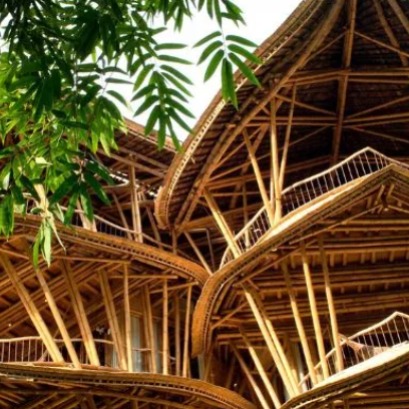 The South American country that changes construction thanks to an ancient, mega-resistant material: more than steel
This material that grows in South America creates the most resistant constructions and radically changes the world of architecture One particular building material has been used for millennia by various cultures in South America. This is due to its structural resistance that allows the creation of homes, bridges and shelters. Its archaeological presence shows that it was one of the most valued construction resources in seismic and humid areas.
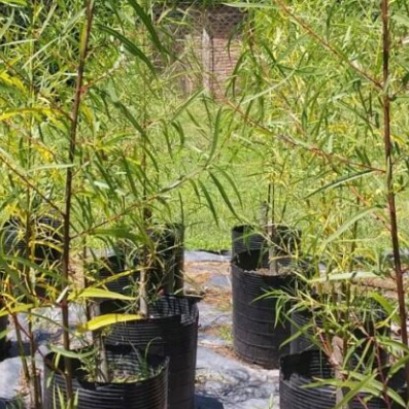 INTA Delta begins propagation of seven Creole willow clones for ecological restoration in Paraná
As a result of the rescue, domestication and registration work carried out by Teresa Cerrillo, a leading researcher in Salix Genetic Improvement, within the framework of the National Genetic and Forest Resources Programs of INTA, the multiplication and propagation of seven clones of Creole willow (Salix humboldtiana) began recently registered in the National Seed Institute (INASE) by INTA Delta del Paraná.
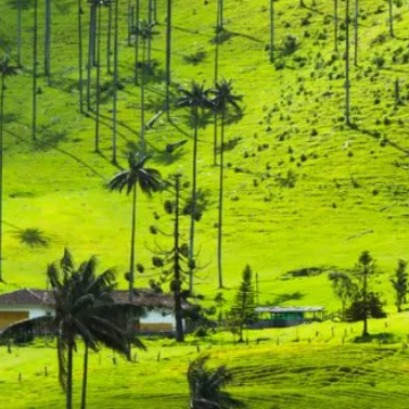 The tallest palm tree in the world is in South America: it is the height of a 20-story building
The worlds tallest palm tree stands deep in South America, a giant that challenges the limits of plant life Deep in South America, between the fog and the mountains, hides a giant tree that few know about. Majestic and silent, challenging the world on what plant life can achieve.