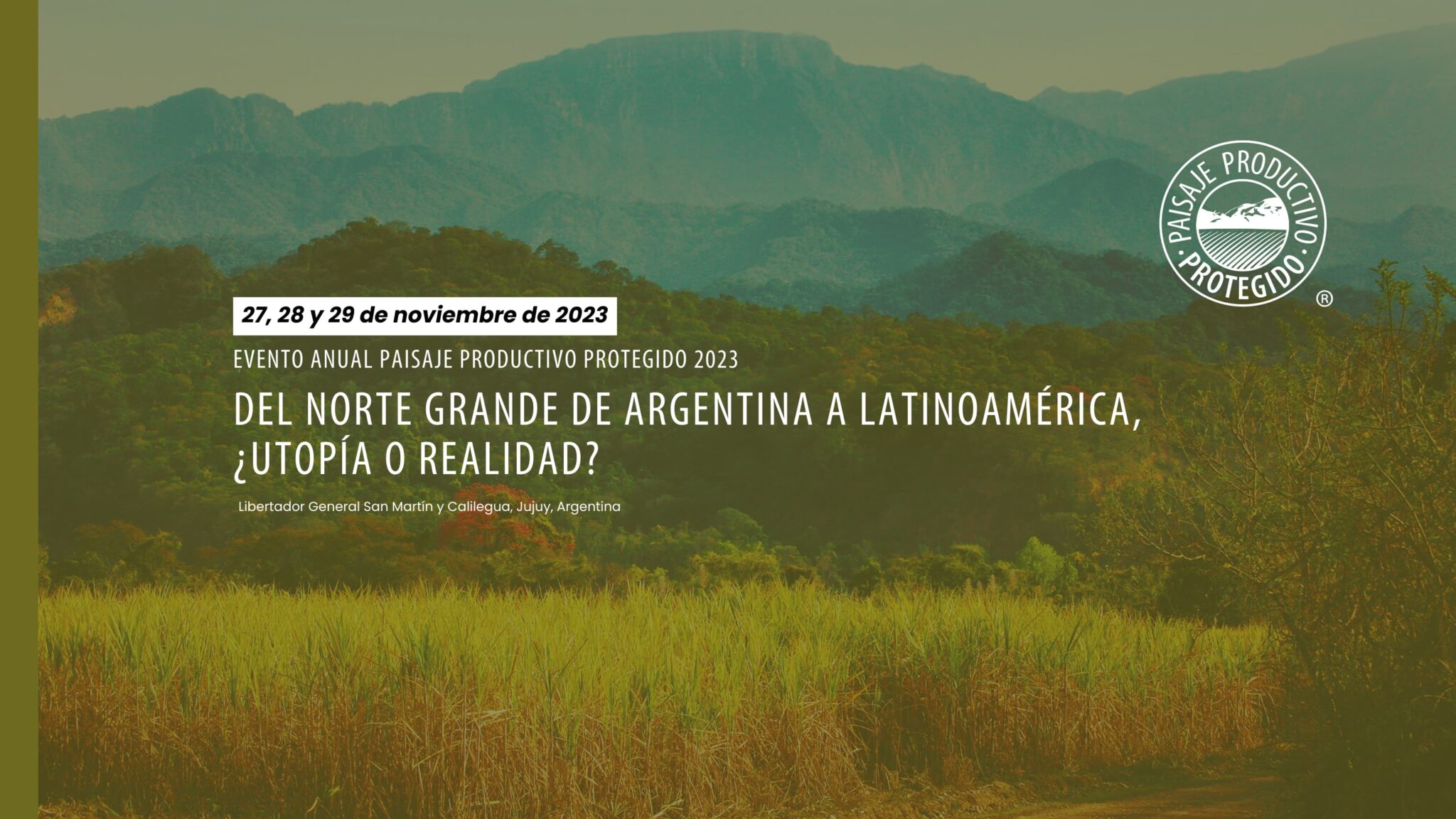
Production for conservation | The Annual Meeting of the Protected Productive Landscape Network of the region will be held in Jujuy
Organized by the ProYungas Foundation and the Ledesma company, the annual Red PPP meeting will take place between November 27 and 29 in Calilegua, Jujuy.
References from more than 35 companies, civil society organizations, environmental authorities, representatives of international cooperation, academics and technicians will meet to share good practices, achievements and continue promoting the growth of the Protected Productive Landscape Program (PPP) in the North Large from Argentina and neighboring countries.
The PPP, an initiative created by ProYungas in 2010, is a territory management model that seeks to coherently integrate the production and conservation of nature in environments of high environmental value. Today the program includes more than 30 companies from Argentina, Chile, Paraguay and Bolivia, with a total area of about 2.5 million hectares, of which more than 36% are natural areas.
The meeting is framed in the project "Protected Productive Landscape in the Great North of Argentina", executed by the ProYungas Foundation, together with the partner institutions FSC and Hábitat & Desarrollo, co-financed by the European Union.
Complete Event Program
Members of the PPP Network
Today the Program has a Network of companies and productive organizations that implement the PPP, partner organizations belonging to civil society and other institutions that support the implementation of the program, and strategic allies.
Companies and productive organizations: Ledesma, San Miguel, Citrusvil, Citromax, Arauco, Forestal Argentina, Bosques del Plata, Argenti Lemon, Vicente Trapani, Arcor, Romar, Suriyaco, Veracruz, Navar, Las Marías, Holcim, NOCE, Mistol Ancho, Agro Catamarca, Fortín Chacabuco, Quebracho Small Agricultural Producers Association (in Argentina); Arauco (in Chile); Neuland Cooperative, grouped ranchers from Estancia Santa Herminia, Estancia Doña Nidia, Estancia Tres Marías and Estancia 26 (in Paraguay) and; San Lorenzo (in Bolivia).
Partner organizations: ProYungas Foundation, The Nature Conservancy, Hábitat y Desarrollo Foundation (in Argentina); Moisés Bertoni Foundation, Wildlife Conservation Society (in Paraguay) and; Foundation for the Conservation of the Chiquitano Forest, PROMETA (in Bolivia).
Strategic allies: FSC Argentina, Argentine Association of Direct Sowing Producers (AAPRESID), Chaco Networks, UICN, Institute of Regional Ecology (CONICET-UNT), Institute of Subtropical Biology (CONICET-UNaM), Center for Territorial Environmental and Social Studies ( FCA, UNJu), Atlantic Forest Research Center, ALLCOT; Bolivia: FUNDESNAP.

IT MAY INTEREST YOU
 Nation reinforces prevention and training against forest fires
The director of the Federal Emergency Agency (AFE), Santiago Hardie, referred to the support that the Nation provides in fighting fires. He argued that the majority of igneous sources respond to human interventions and that, therefore, social awareness is a central tool to reduce environmental, material and human damage.
 Color the streets pink and white in spring: which is the most beautiful tree in the world and why, according to AI
Its delicate branches, the soft tones of its petals and the harmonious shape of the tree make it an almost poetic image.
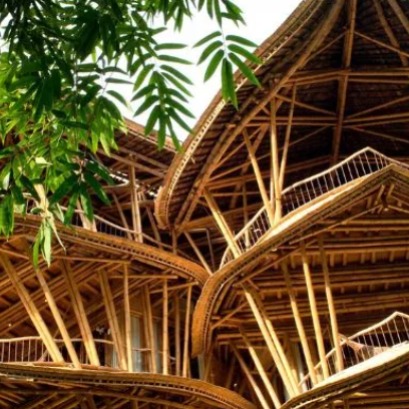 The South American country that changes construction thanks to an ancient, mega-resistant material: more than steel
This material that grows in South America creates the most resistant constructions and radically changes the world of architecture One particular building material has been used for millennia by various cultures in South America. This is due to its structural resistance that allows the creation of homes, bridges and shelters. Its archaeological presence shows that it was one of the most valued construction resources in seismic and humid areas.