Benedetta Tagliabue on the AMAD Awards Jury Best wooden architecture projects 2023
This year we have the honor of having a figure like @bene_tagliabue for our jury of the 5th Edition of the AMAD Awards.
Internationally renowned architect, founder together with Enric Miralles in 1994 of the Benedetta Tagliabue studio – EMBT Architects (@embtarchitects). This architecture studio has recognized international prestige, with offices in Barcelona (headquarters), Shanghai and Paris, and operates with works and direct commissions throughout the world.
The studio's philosophy reflects the belief in changing the environment by observing and respecting the history and culture of the place. It aims to enhance these aspects through a unique design process.
Among her most notable works are the Scottish Parliament in Edinburgh, the Santa Caterina Market, the Gas Natural Fenosa Headquarters and the Diagonal Mar Park in Barcelona.
Submit your wood construction project through the following link: https://premiosamad.com/
@aitim_infomadera
@asa_sustainabilityarchitecture
@fscspain

IT MAY INTEREST YOU
 Nation reinforces prevention and training against forest fires
The director of the Federal Emergency Agency (AFE), Santiago Hardie, referred to the support that the Nation provides in fighting fires. He argued that the majority of igneous sources respond to human interventions and that, therefore, social awareness is a central tool to reduce environmental, material and human damage.
 The DNA of forests: they discover what makes a tree resist drought
An international team, with the participation of INTA and Conicet, discovered that genetics can be decisive for trees to better resist droughts
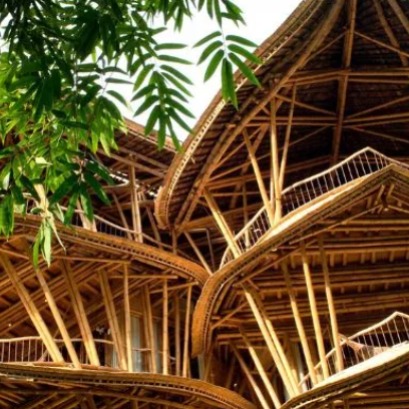 The South American country that changes construction thanks to an ancient, mega-resistant material: more than steel
This material that grows in South America creates the most resistant constructions and radically changes the world of architecture One particular building material has been used for millennia by various cultures in South America. This is due to its structural resistance that allows the creation of homes, bridges and shelters. Its archaeological presence shows that it was one of the most valued construction resources in seismic and humid areas.