Pilcaniyeu is committed to reusing water for forestry purposes
In an innovative project developed in Pilcaniyeu, work is being done on the reuse of treated effluents for forestry purposes
This initiative is carried out by the Provincial Department of Water (DPA), the Municipality of Pilcaniyeu, the Entity for the Development of the Southern Line and Region, the National University of Río Negro (UNRN), the National Institute of Agricultural Technology ( INTA) and Aguas Rionegrinas SA.
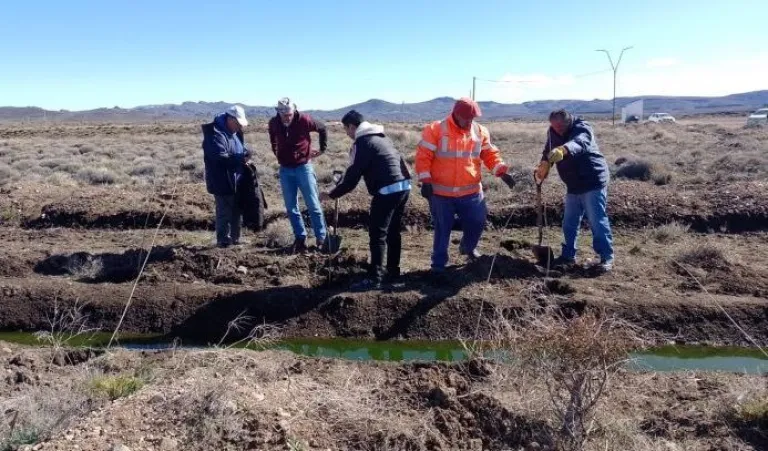
The water reuse process is being implemented at the local Sewer Liquid Treatment Plant. Through this project, the aim is to take advantage of the treated effluents for forestry agricultural irrigation. In the first stage, 100 trees have been planted on the property where the plant is located, thus marking the beginning of Effluent Reuse in Pilcaniyeu.
In addition to this important action, an agreement was signed between Mayor Néstor Ayuelef and the Municipal Nursery. This agreement will allow planning activities aimed at the development of new plantations during the spring.
With this initiative, Pilcaniyeu seeks to provide an innovative and sustainable solution to the water problem, promoting the use of available resources and the preservation of the environment. It is expected that this project will be a reference for other localities and regions in the implementation of responsible actions with the care of the natural environment and the sustainable use of water resources.

IT MAY INTEREST YOU
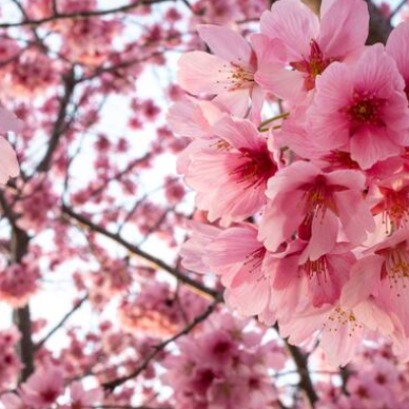 Color the streets pink and white in spring: which is the most beautiful tree in the world and why, according to AI
Its delicate branches, the soft tones of its petals and the harmonious shape of the tree make it an almost poetic image.
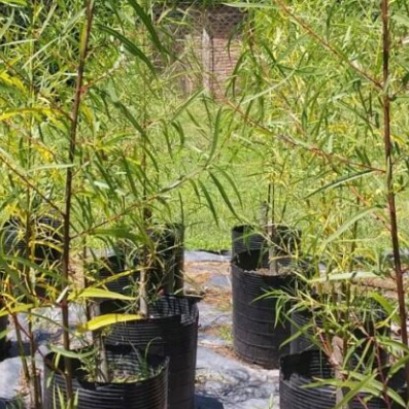 INTA Delta begins propagation of seven Creole willow clones for ecological restoration in Paraná
As a result of the rescue, domestication and registration work carried out by Teresa Cerrillo, a leading researcher in Salix Genetic Improvement, within the framework of the National Genetic and Forest Resources Programs of INTA, the multiplication and propagation of seven clones of Creole willow (Salix humboldtiana) began recently registered in the National Seed Institute (INASE) by INTA Delta del Paraná.
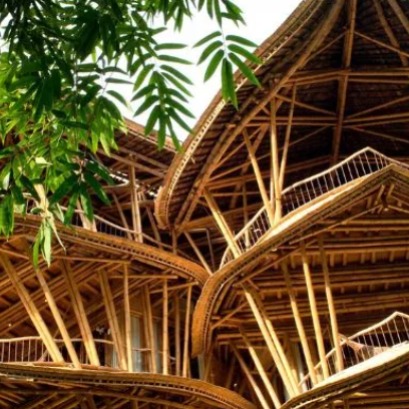 The South American country that changes construction thanks to an ancient, mega-resistant material: more than steel
This material that grows in South America creates the most resistant constructions and radically changes the world of architecture One particular building material has been used for millennia by various cultures in South America. This is due to its structural resistance that allows the creation of homes, bridges and shelters. Its archaeological presence shows that it was one of the most valued construction resources in seismic and humid areas.