Yakisugi: the Japanese technique that is all the rage in architecture and decoration
Also known as Shou-Sugi-Ban, this technique dates back to the 16th century and its name comes from “yaki” (burning) and “sugi” (cypress). Today linden, pine, maple or oak are usually used.
But the most innovative thing is that it can be applied to ceilings, walls and floors, and also to furniture and accessories of all kinds. The only limit? Own imagination.
What is the technique of "burning" wood?
The technique consists of burning or charring the wood. This, in addition to generating an original finish, contributes to a longer useful life.
A blowtorch or chimney is used to burn the surface of the board. The wood must be dry and cut into long boards.
Then it is quenched with water, allowed to cool and brushed for a better finish. Finally, the wood is protected with protector, natural oils, varnishes, etc.
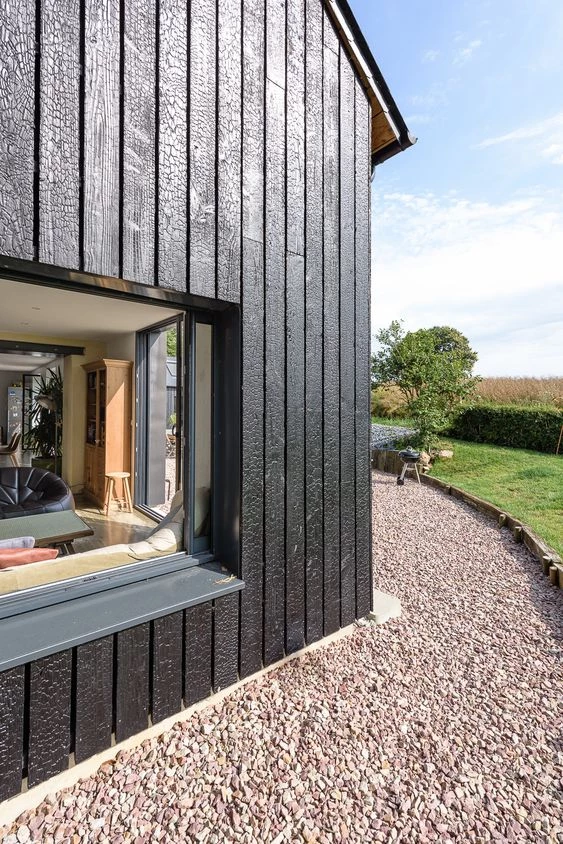
The slight carbonization of the wood surface makes it waterproof, flame retardant. It also protects it from the sun and works very effectively as an insect repellent. That is why this technique is an excellent option to use wood as an exterior coating.
Different uses and applications
• Floors, ceilings, walls and coverings.
• Furniture.
• Accessories
In wall covering you can combine different shades of burning, opt for different placement methods, play with the geometry of the boards, sizes, etc.", says the specialist.
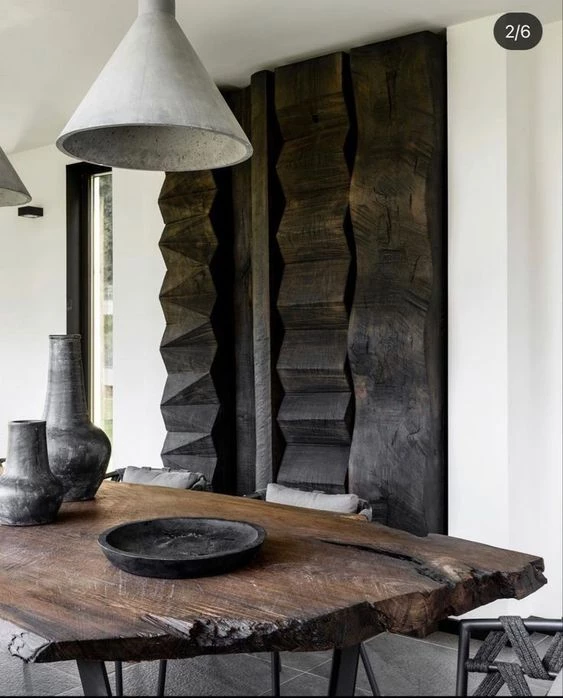
And she adds that it is also often used on tables, chairs and kitchen islands or to decorate any object: from centerpieces and fountains to decorations and pots. Almost anything goes!
The technique of burning wood, in addition to generating an original aesthetic effect, helps give it a longer useful life. It also provides a touch of nature while incorporating sophistication and elegance through the black color and the texture of the wood.

IT MAY INTEREST YOU
 The DNA of forests: they discover what makes a tree resist drought
An international team, with the participation of INTA and Conicet, discovered that genetics can be decisive for trees to better resist droughts
 The discovery of methane-producing bacteria in trees rethinks the ecological role of forests
Pioneering study shows trees surprising internal microbial diversity and potential influence on global climate, driving novel strategies for agricultural and forestry management
 The tallest palm tree in the world is in South America: it is the height of a 20-story building
The worlds tallest palm tree stands deep in South America, a giant that challenges the limits of plant life Deep in South America, between the fog and the mountains, hides a giant tree that few know about. Majestic and silent, challenging the world on what plant life can achieve.