Illegal clearing in Argentina
The most serious situation occurs in the provinces of Chaco and Santiago del Estero, according to a new Greenpeace report
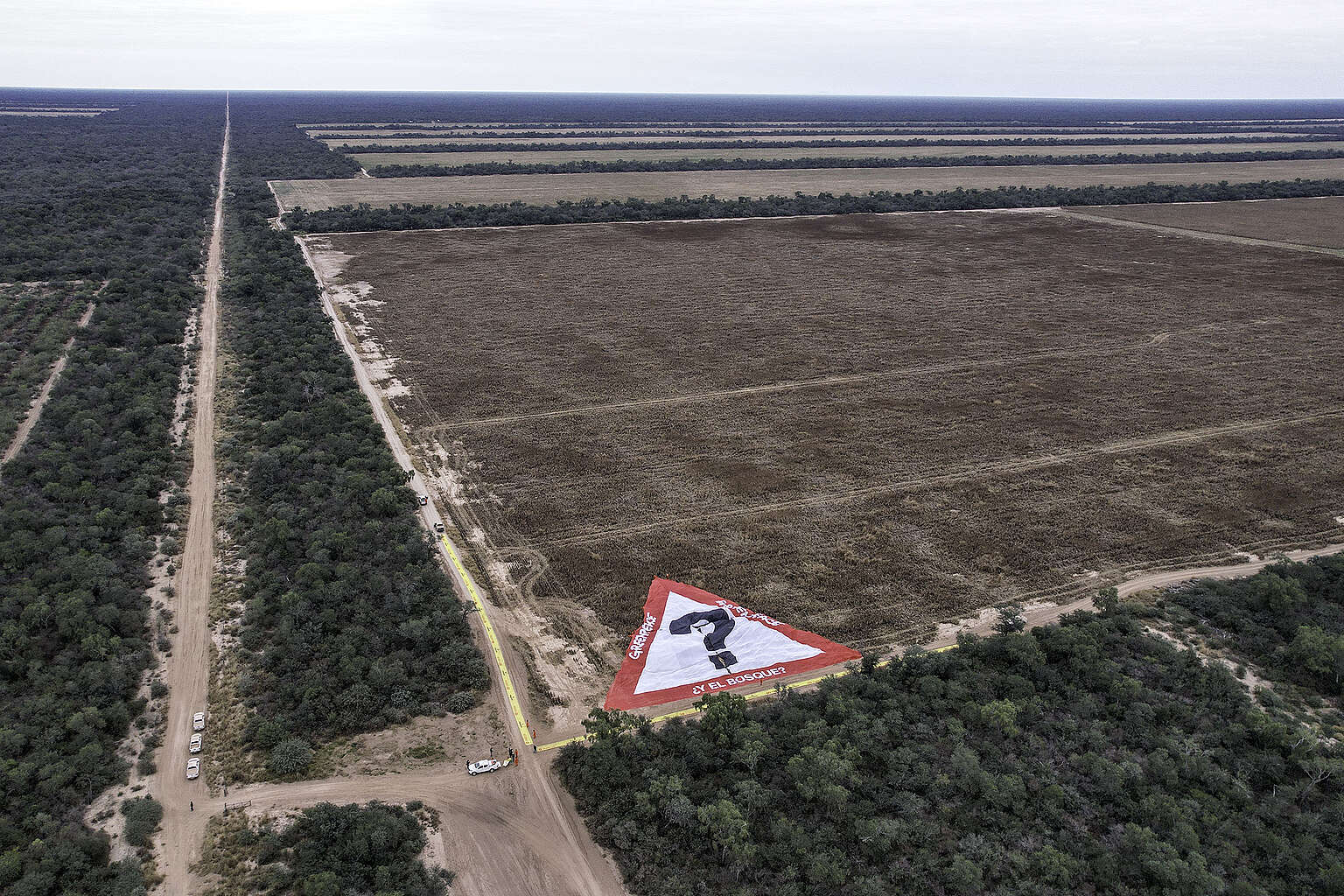
In a recently released report, Greenpeace said that it detected through the use of satellite images that during the first half of the year 51,600 hectares of northern Argentina were deforested, 25 percent more than in the same period in 2022. The northern provinces, Chaco, Santiago del Estero, Formosa and Salta register the largest deforested area in the country. "We must move forward in penalizing illegal clearing," says Hernán Giardiani.
The environmental organization Greenpeace denounced an increase in the deforested area in Argentina during the first half of this year, mainly due to illegal clearing.
“It was detected that during the first half of the year in the north of the country 51,600 hectares were deforested, 25% more than in the same period of 2022 (41,332 hectares). The most serious situation occurs in Chaco and Santiago del Estero, where most clearing is illegal”; indicated in the report released on Thursday, July 27 by the international environmental NGO.
The increase in deforestation is worrisome and, above all, that most of it is illegal. In Santiago del Estero, the government violates the National Forest Law by authorizing clearing for livestock in areas where it is not allowed. While in Chaco the provincial justice suspended the clearing at the end of 2020, but the bulldozers are advancing more and more. The government controls little and it is evident that the fines are not enough to end this ecocide. Penalizing illegal clearing seems the only solution”, stated Hernán Giardini, coordinator of Greenpeace's Forests campaign.
The survey of the environmental organization, carried out by comparing satellite images, estimates that between January and June 2023 deforestation in Chaco reached 24,522 hectares; in Santiago del Estero 19,040 hectares; in Formosa 5,804 hectares; and in Salta 2,234 hectares; totaling 51,600 hectares.
The increase in deforestation is "worrying and, above all, that most of it is illegal," says Giardini.
“In Santiago del Estero, the Government violates the National Forest Law by authorizing clearing for livestock where it is not allowed. While in Chaco the provincial Justice suspended the clearing at the end of 2020, but the bulldozers are advancing more and more. The Government controls little and it is evident that the fines are not enough to put an end to this ecocide. Penalizing illegal clearing seems the only solution”, he stated.
According to the environmental organization, the main cause of forest loss is the advance of the agricultural frontier for livestock and soybean cultivation, which Argentina exports to Asia and Europe to a large extent.
This phenomenon occurs above all in the Gran Chaco region, the second largest forest ecosystem in America.
Deforestation causes the disappearance of species, climate change, floods, droughts, desertification, diseases, evictions of indigenous people and peasants, loss of food, medicine and wood. We are facing an obvious climate and biodiversity emergency that forces us to act accordingly. It is time to end impunity,” Giardini said.
In this context, Greenpeace promotes a popular consultation in Argentina on the criminalization of the illegal destruction of native forests that will be open to participation until October 10 and whose results will be presented in the Argentine Parliament.

IT MAY INTEREST YOU
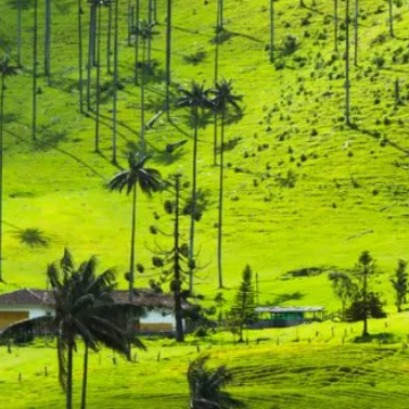 The tallest palm tree in the world is in South America: it is the height of a 20-story building
The worlds tallest palm tree stands deep in South America, a giant that challenges the limits of plant life Deep in South America, between the fog and the mountains, hides a giant tree that few know about. Majestic and silent, challenging the world on what plant life can achieve.
 The discovery of methane-producing bacteria in trees rethinks the ecological role of forests
Pioneering study shows trees surprising internal microbial diversity and potential influence on global climate, driving novel strategies for agricultural and forestry management
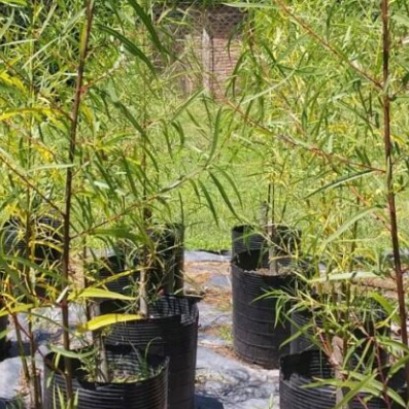 INTA Delta begins propagation of seven Creole willow clones for ecological restoration in Paraná
As a result of the rescue, domestication and registration work carried out by Teresa Cerrillo, a leading researcher in Salix Genetic Improvement, within the framework of the National Genetic and Forest Resources Programs of INTA, the multiplication and propagation of seven clones of Creole willow (Salix humboldtiana) began recently registered in the National Seed Institute (INASE) by INTA Delta del Paraná.