Alert for a new forest pest
Affects poplar and fruit plantations in Patagonia
It is the poplar moth (Leucoptera sinuella), an insect that could affect the production of fruit trees that are close to salicaceae curtains. INTA together with two universities in Chile, Senasa, Conicet and private sector leaders work on the identification, monitoring and management of field management tools. Its early detection is essential to prevent its spread.
The poplar moth (Leucoptera sinuella) is a leaf-mining pest, which was detected for the first time in Chile, in 2015, on curtains of salicaceae -poplars, willows-.
Its detection in Patagonia took place at the beginning of 2023, during an insect monitoring campaign carried out in northern Neuquén by entomologists Federico D'Hervé and Anabel Olave from Senasa and the National University of Comahue respectively, who reported the species to the National Surveillance and Monitoring System (Sinavimo).
Although it is a pest of foresters, in the last generations when the larvae complete their development they can affect the fruit trees surrounding the poplar curtains, which can cause rejections during fresh fruit exports.
For this reason, the Plant Health Area of INTA Alto Valle –Río Negro– together with the Pontificia Universidad Católica de Valparaíso and the Universidad de Talca –Chile–, Senasa, Conicet and private sector references work on the identification, monitoring and management of management tools in the field.
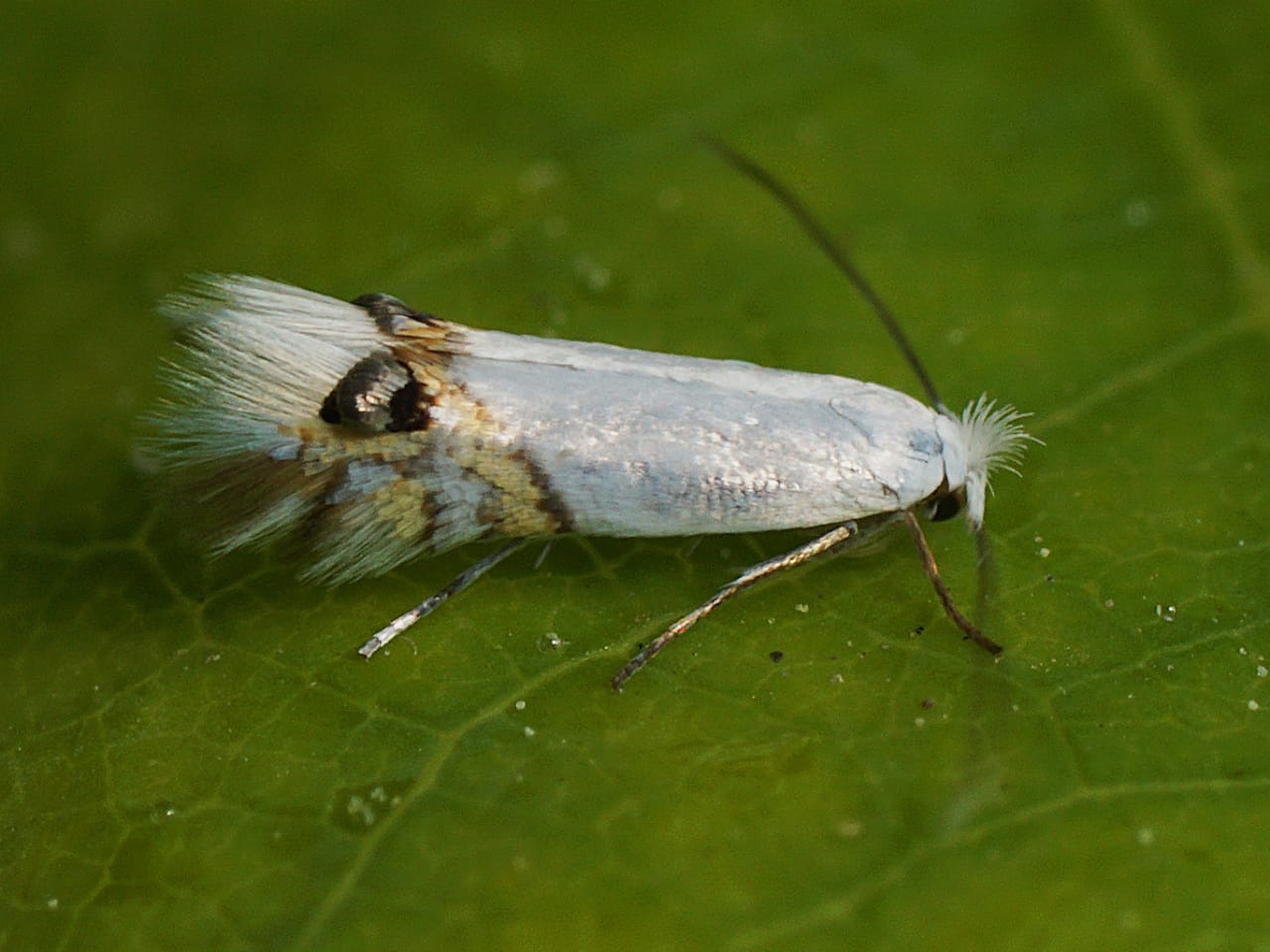
To identify the poplar moth, Silvina Garrido, INTA Alto Valle specialist, described: “Adults are small white moths whose first pair of wings has a black spot and three orange stripes. Its larvae mine the interior of the mesophyll of the leaves and their pupae are covered by a silky white cocoon with a very characteristic “H” shape.

IT MAY INTEREST YOU
 The discovery of methane-producing bacteria in trees rethinks the ecological role of forests
Pioneering study shows trees surprising internal microbial diversity and potential influence on global climate, driving novel strategies for agricultural and forestry management
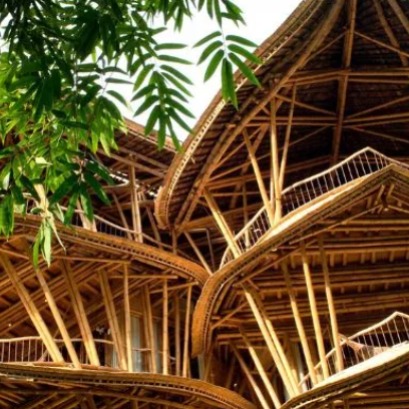 The South American country that changes construction thanks to an ancient, mega-resistant material: more than steel
This material that grows in South America creates the most resistant constructions and radically changes the world of architecture One particular building material has been used for millennia by various cultures in South America. This is due to its structural resistance that allows the creation of homes, bridges and shelters. Its archaeological presence shows that it was one of the most valued construction resources in seismic and humid areas.
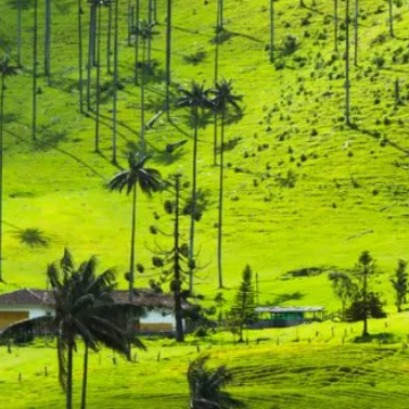 The tallest palm tree in the world is in South America: it is the height of a 20-story building
The worlds tallest palm tree stands deep in South America, a giant that challenges the limits of plant life Deep in South America, between the fog and the mountains, hides a giant tree that few know about. Majestic and silent, challenging the world on what plant life can achieve.