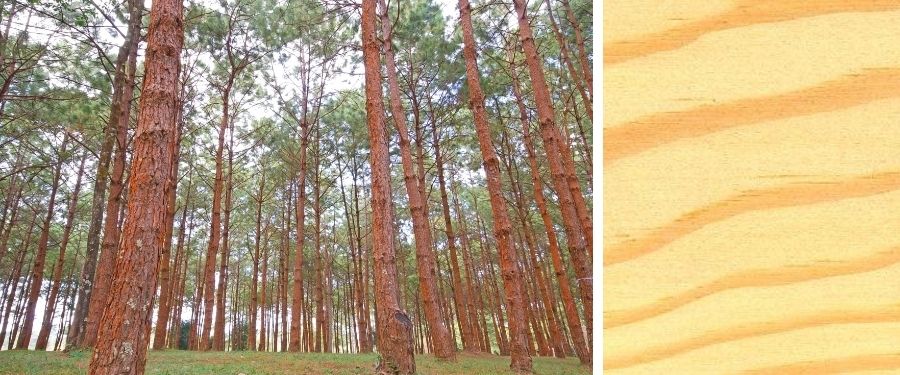

Yellow pine wood
The abundance of pine wood is due in large part to the number of pine species that exist. In this article, we will learn about the characteristics, properties and uses of yellow pine wood, a species native to the southwestern United States.
This species of pine receives the scientific name Pinus Taeda, although we can commonly find it under the name of southern yellow pine, melis pine or Rosemary pine for its distinctive fragrance. These trees are around 30-35 meters tall and normally grow in low humidity environments.
It is considered a fast-growing tree, which is why it is a species that has spread especially in reforestation, as in the case of Argentina.
One of the most striking features is the color of its wood. Yellow pine wood is characterized by its yellowish white sapwood and reddish-brown heartwood.
We can consider it as a stable, soft and semi-light wood. Yellow pine wood is classified as moderately durable against the action of fungi and insects.
When it comes to workability, no problem is found. Sawing, drying, brushing, nailing and finishing is easy, although it should be noted that it is a wood with a lot of resin which can make the finish a little more complicated.
We can find yellow pine wood in indoor furniture; in interior carpentry such as doors, windows, cladding, stairs, friezes; in the form of sheets for decorative coatings and plywood and in carpentry to assemble and in naval constructions as masts. This wood is also highly commercialized for the manufacture of paper pulp and Kraft paper.

IT MAY INTEREST YOU
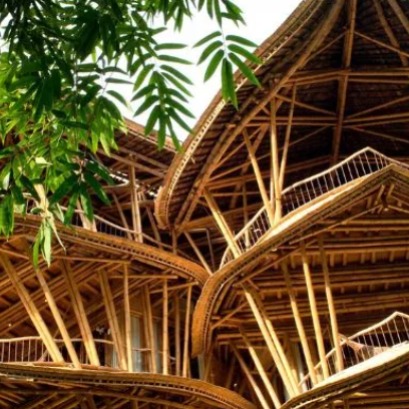 The South American country that changes construction thanks to an ancient, mega-resistant material: more than steel
This material that grows in South America creates the most resistant constructions and radically changes the world of architecture One particular building material has been used for millennia by various cultures in South America. This is due to its structural resistance that allows the creation of homes, bridges and shelters. Its archaeological presence shows that it was one of the most valued construction resources in seismic and humid areas.
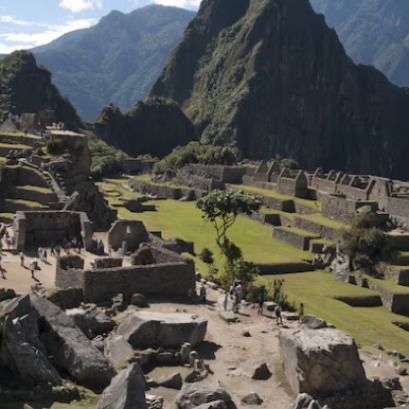 Reforestation advances in the Historic Sanctuary of Machu Picchu with new restored hectares
The plan includes the planting of a thousand new trees in the sanctuary, in response to the damage caused by forest fires and environmental threats, with the support of local authorities and representatives of the tourism sector.
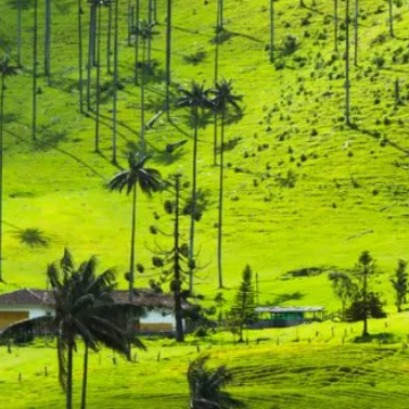 The tallest palm tree in the world is in South America: it is the height of a 20-story building
The worlds tallest palm tree stands deep in South America, a giant that challenges the limits of plant life Deep in South America, between the fog and the mountains, hides a giant tree that few know about. Majestic and silent, challenging the world on what plant life can achieve.