Distinguished pieces of sawn teak wood
Teak wood (Tectona grandis L.f.) is native to Southeast Asia, India, Cambodia, Laos and Vietnam. It also has other areas of provenance where it has been widely planted: tropical regions of West Africa and tropical Central America.
It is a species that stands out for its magnificent characteristics of natural durability, in addition to having a good dimensional stability. Teak wood has an antiseptic resin that makes it resistant to the attack of various organisms, such as termites or fungi.
To its good stability, it must add its high resistance to water, cracking or rupture, because it has a natural oil that makes it impermeable, which makes it a widely used wood in shipbuilding. It is also an optimal wood for outdoor, being able to adapt to extreme weather conditions.
The teak wood is intense golden brown, normally, but it has a wide range that varies from reddish to very pale tones. It also admits treatments or paintings to change its color without losing its appearance
These properties make teak wood one of the best known tropical woods on the market and, sometimes, that is reflected in its price. All this, added to its good outdoor properties and its durability makes it worthwhile for certain products, the investment in using teak wood.
One of the uses of teak wood is directly sawn, but also as sheet metal, panels, carts, wheels, carpentry and joinery, manufacture of canoes and light boats, furniture and interior finishes.
Sawn teak wood can be used directly in the manufacture of distinguished doors or tables or as a decorative element, for its natural beauty.

IT MAY INTEREST YOU
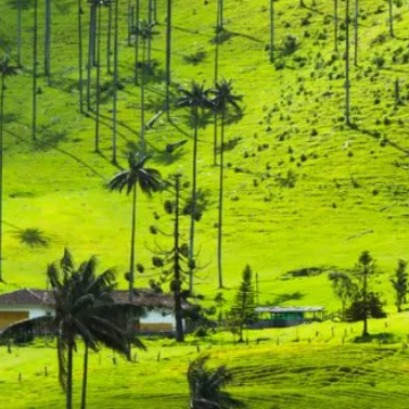 The tallest palm tree in the world is in South America: it is the height of a 20-story building
The worlds tallest palm tree stands deep in South America, a giant that challenges the limits of plant life Deep in South America, between the fog and the mountains, hides a giant tree that few know about. Majestic and silent, challenging the world on what plant life can achieve.
 The discovery of methane-producing bacteria in trees rethinks the ecological role of forests
Pioneering study shows trees surprising internal microbial diversity and potential influence on global climate, driving novel strategies for agricultural and forestry management
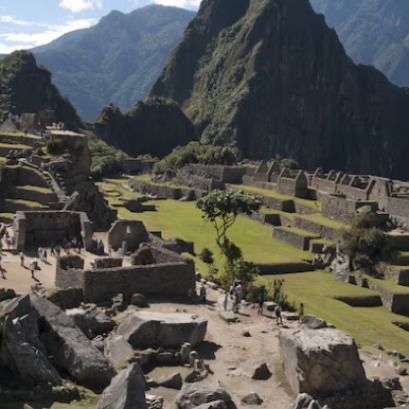 Reforestation advances in the Historic Sanctuary of Machu Picchu with new restored hectares
The plan includes the planting of a thousand new trees in the sanctuary, in response to the damage caused by forest fires and environmental threats, with the support of local authorities and representatives of the tourism sector.