Los árboles sagrados de África se mueren y nadie sabe por qué
El baobab, el mítico árbol que Saint-Exupéry hizo famoso en «El Principito», es sagrado para muchos africanos.
El baobab, el mítico árbol que Saint-Exupéry hizo famoso en «El Principito», es sagrado para muchos africanos. Bajo sus ramas no se debe maldecir y solo aquellos considerados sabios pueden recoger sus frutos y hojas. Llamado comúnmente «árbol mágico», «de la vida» e, incluso, «de la rata muerta», por la forma de sus frutos, resulta fascinante por su gigantesco tamaño y su extrema longevidad. Algunos ejemplares pueden llegar a superar los 30 metros de altura, contener hasta 500 metros cúbicos de madera y enormes centros huecos, y vivir 2.000 años. Sin embargo, algo fatal les está ocurriendo: desde 2005, los ejemplares más grandes y longevos mueren de forma misteriosa. Los científicos no conocen los motivos y están desconcertados.

IT MAY INTEREST YOU
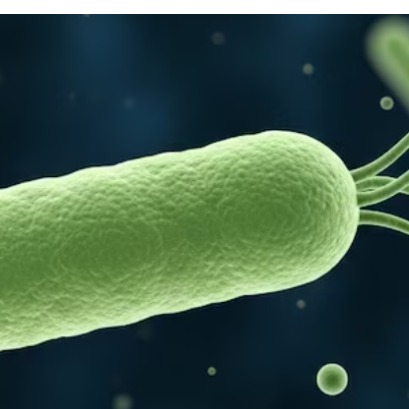 The discovery of methane-producing bacteria in trees rethinks the ecological role of forests
Pioneering study shows trees surprising internal microbial diversity and potential influence on global climate, driving novel strategies for agricultural and forestry management
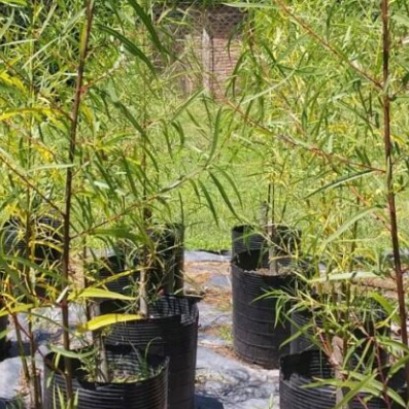 INTA Delta begins propagation of seven Creole willow clones for ecological restoration in Paraná
As a result of the rescue, domestication and registration work carried out by Teresa Cerrillo, a leading researcher in Salix Genetic Improvement, within the framework of the National Genetic and Forest Resources Programs of INTA, the multiplication and propagation of seven clones of Creole willow (Salix humboldtiana) began recently registered in the National Seed Institute (INASE) by INTA Delta del Paraná.
 The DNA of forests: they discover what makes a tree resist drought
An international team, with the participation of INTA and Conicet, discovered that genetics can be decisive for trees to better resist droughts