La Cámara de Santiago del Estero se incorporó a FAIMA
FAIMA está integrada actualmente por 28 cámaras en todo el país
La Cámara de la Industria de la Madera de Santiago del Estero, recientemente incorporada a la Federación, participó por primera vez de la reunión de Comisión Directiva. En esta oportunidad, asistieron el Lic. Vicente Spitale, Presidente; Gustavo Diambra, Vicepresidente y la Ing. Graciela Hoyos, Asesora de la entidad.
En este encuentro, los directivos de las distintas cámaras que integran la Federación se presentaron y les dieron la bienvenida. Leandro Mora Alfonsín, Director Ejecutivo de FAIMA, les informó qué servicios ofrece FAIMA, la dinámica de trabajo de las subcomisiones y de la Comisión Directiva. Por su parte, los representantes de la Cámara de Santiago comentaron en qué temas están trabajando actualmente.
De esta forma, FAIMA está integrada actualmente por 28 cámaras en todo el país, siendo la única entidad de 2º grado que representa a nivel nacional al sector industrial maderero.

IT MAY INTEREST YOU
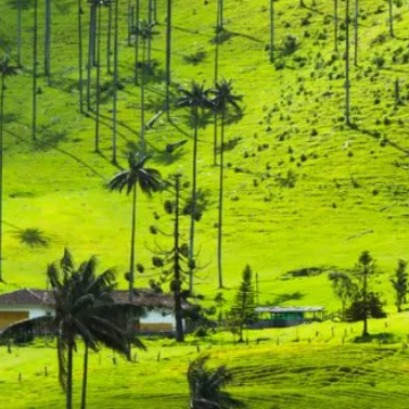 The tallest palm tree in the world is in South America: it is the height of a 20-story building
The worlds tallest palm tree stands deep in South America, a giant that challenges the limits of plant life Deep in South America, between the fog and the mountains, hides a giant tree that few know about. Majestic and silent, challenging the world on what plant life can achieve.
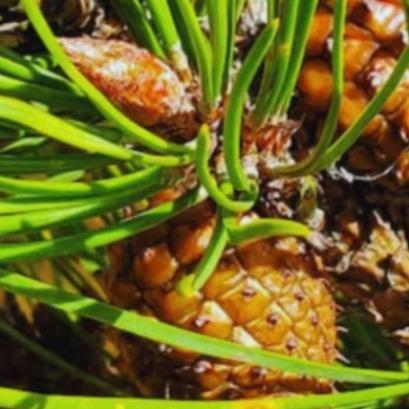 The DNA of forests: they discover what makes a tree resist drought
An international team, with the participation of INTA and Conicet, discovered that genetics can be decisive for trees to better resist droughts
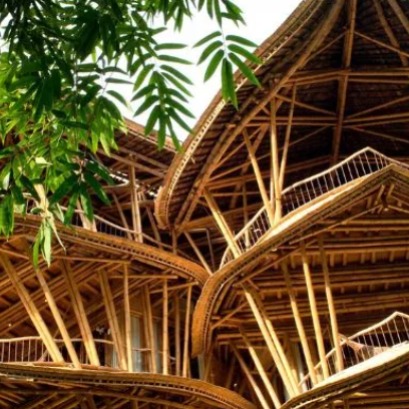 The South American country that changes construction thanks to an ancient, mega-resistant material: more than steel
This material that grows in South America creates the most resistant constructions and radically changes the world of architecture One particular building material has been used for millennia by various cultures in South America. This is due to its structural resistance that allows the creation of homes, bridges and shelters. Its archaeological presence shows that it was one of the most valued construction resources in seismic and humid areas.