Plan Estratégico 2017/2030 de Naciones Unidas para los Bosques
Se firmó el compromiso con el Plan en el marco del Seminario Argentina 2030: la Oportunidad de la Foresto-Industria, organizado por AFOA.
AFOA realizó el Seminario “Argentina 2030: la Oportunidad de la Foresto-Industria” en el Campo Argentino de Polo, en el que se abordaron temas estratégicos para el sector.
En el marco del evento se firmó el compromiso para los Bosques, por el cual los representantes de las entidades de la cadena de valor foresto industrial manifiestan compartir la visión de “un mundo en el que todos los tipos de bosques y los árboles fuera de los bosques se gestionen de manera sostenible, contribuyan al desarrollo sostenible y proporcionen beneficios económicos, sociales y ambientales para las generaciones presentes y futuras”.
Participaron de la firma el Secretario de Agricultura y Ganadería, Guillermo Bernaudo, el Secretario de Ambiente Diego Moreno y el representante de FAO en Argentina, Francisco Yofre. En representación de FAIMA participó Pedro Reyna, Secretario General.
Por su parte, el Ministro de Agroindustria, Dr. Luis Miguel Etchevehere expresó en el evento: “La foresto industria tiene un potencial multidimensional que está en la agenda del gobierno nacional. El crecimiento de este sector nos permitirá encarar más construcciones de viviendas en madera, generar energía a través de la biomasa, multiplicar los puestos de trabajo y seguir desarrollando las economías regionales a través del agregado de valor”.

IT MAY INTEREST YOU
 Native forest | In Misiones, controls are tightened on routes for illegal transport of native wood, logging of forests without permits and fraudulent digital guides
Informality in forestry activity in Misiones was once again evident, the culture of operating illegally is a historical problem, and the Ministry of Ecology and Renewable Natural Resources carries out the corresponding control and inspection operations in the regulation of productive activity and sustainable management for the use of native forests.
 The discovery of methane-producing bacteria in trees rethinks the ecological role of forests
Pioneering study shows trees surprising internal microbial diversity and potential influence on global climate, driving novel strategies for agricultural and forestry management
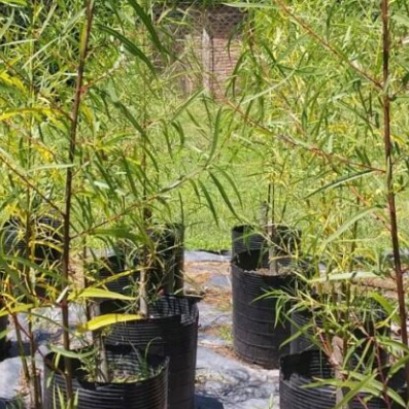 INTA Delta begins propagation of seven Creole willow clones for ecological restoration in Paraná
As a result of the rescue, domestication and registration work carried out by Teresa Cerrillo, a leading researcher in Salix Genetic Improvement, within the framework of the National Genetic and Forest Resources Programs of INTA, the multiplication and propagation of seven clones of Creole willow (Salix humboldtiana) began recently registered in the National Seed Institute (INASE) by INTA Delta del Paraná.