El 10% de las especies del planeta se encuentran en una reserva natural de Ecuador
A 270 kilómetros de Quito, en lo más profundo de la Amazonía ecuatoriana, el Parque Nacional Yasuní
A 270 kilómetros de Quito, en lo más profundo de la Amazonía ecuatoriana, el Parque Nacional Yasuní da refugio a una de las mayores reservas de especies de todo el planeta, una parte de cuya biodiversidad sale a la luz en un nuevo libro fruto de dos décadas de investigaciones
Ubicada en la región oriental del país, con severas restricciones de acceso para proteger este exclusivo entorno, el Yasuní es hogar de un millón de especies, según los expertos.
El 80 por ciento de las especies del Parque todavía no tienen ni nombre científico (...) y aún hay mucho por hacer",aseguró a Efe Kelly Swing, director de la Estación de Biodiversidad Tiputini (EBT), que comenzó sus trabajos a mediados de los noventa.

IT MAY INTEREST YOU
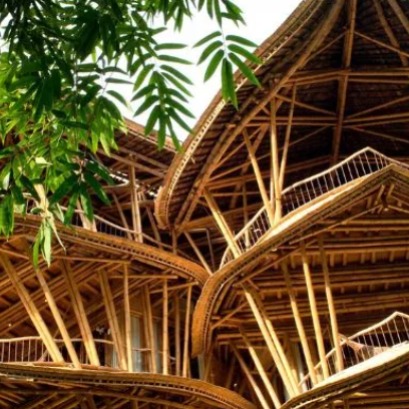 The South American country that changes construction thanks to an ancient, mega-resistant material: more than steel
This material that grows in South America creates the most resistant constructions and radically changes the world of architecture One particular building material has been used for millennia by various cultures in South America. This is due to its structural resistance that allows the creation of homes, bridges and shelters. Its archaeological presence shows that it was one of the most valued construction resources in seismic and humid areas.
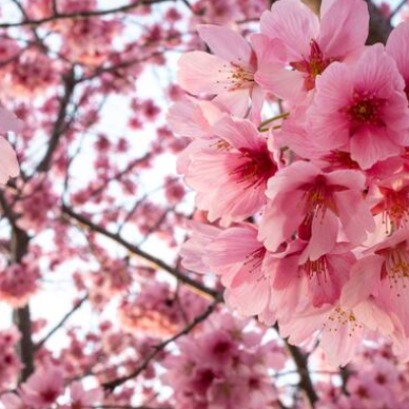 Color the streets pink and white in spring: which is the most beautiful tree in the world and why, according to AI
Its delicate branches, the soft tones of its petals and the harmonious shape of the tree make it an almost poetic image.
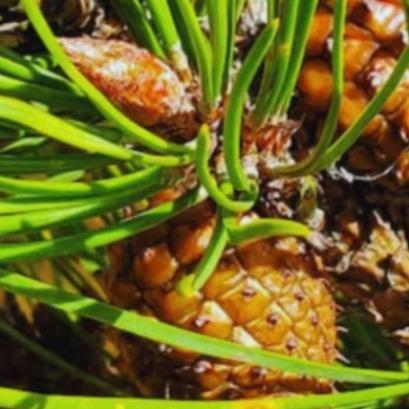 The DNA of forests: they discover what makes a tree resist drought
An international team, with the participation of INTA and Conicet, discovered that genetics can be decisive for trees to better resist droughts