El 10% de las especies del planeta se encuentran en una reserva natural de Ecuador
A 270 kilómetros de Quito, en lo más profundo de la Amazonía ecuatoriana, el Parque Nacional Yasuní
A 270 kilómetros de Quito, en lo más profundo de la Amazonía ecuatoriana, el Parque Nacional Yasuní da refugio a una de las mayores reservas de especies de todo el planeta, una parte de cuya biodiversidad sale a la luz en un nuevo libro fruto de dos décadas de investigaciones
Ubicada en la región oriental del país, con severas restricciones de acceso para proteger este exclusivo entorno, el Yasuní es hogar de un millón de especies, según los expertos.
El 80 por ciento de las especies del Parque todavía no tienen ni nombre científico (...) y aún hay mucho por hacer",aseguró a Efe Kelly Swing, director de la Estación de Biodiversidad Tiputini (EBT), que comenzó sus trabajos a mediados de los noventa.

IT MAY INTEREST YOU
 The discovery of methane-producing bacteria in trees rethinks the ecological role of forests
Pioneering study shows trees surprising internal microbial diversity and potential influence on global climate, driving novel strategies for agricultural and forestry management
 Native forest | In Misiones, controls are tightened on routes for illegal transport of native wood, logging of forests without permits and fraudulent digital guides
Informality in forestry activity in Misiones was once again evident, the culture of operating illegally is a historical problem, and the Ministry of Ecology and Renewable Natural Resources carries out the corresponding control and inspection operations in the regulation of productive activity and sustainable management for the use of native forests.
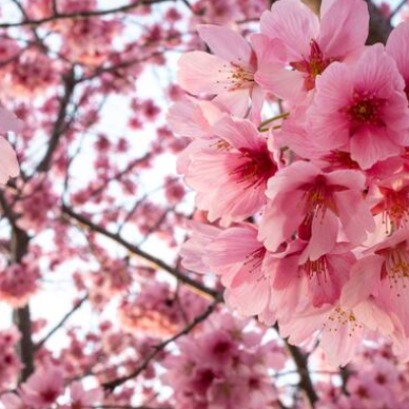 Color the streets pink and white in spring: which is the most beautiful tree in the world and why, according to AI
Its delicate branches, the soft tones of its petals and the harmonious shape of the tree make it an almost poetic image.