Preocupa la caída de la forestación en Mendoza
El inventario que hizo la Nación reveló que actualmente hay 6.197 hectáreas forestadas y hace 10 años eran 15.000.
La situación de la forestación en Mendoza quedó al desnudo cuando el inventario reflejó que actualmente en la provincia hay 6.197 hectáreas forestadas y 3.434 kilómetros de lo que se denomina cortinas, que son árboles que generalmente se plantan en línea para proteger frutales o viñedos. Todo esto generado en el marco de la ley de inversiones para bosques cultivados.
La situación es preocupante porque hace 10 años eran 15.000 las hectáreas forestadas en la provincia y eso nos indica que si no cambiamos esta realidad en 5 años vamos a tener una escasez de madera. Es una gran oportunidad para modificar la ley existente y planificar una plantación apuntando a la diversificación del uso de la madera", dijo Sergio Videla, titular de la Asociación de Empresarios de la madera local (ADEMA)

IT MAY INTEREST YOU
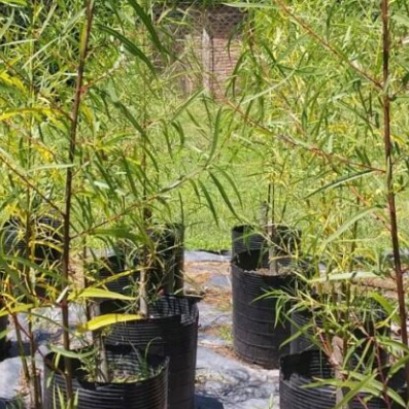 INTA Delta begins propagation of seven Creole willow clones for ecological restoration in Paraná
As a result of the rescue, domestication and registration work carried out by Teresa Cerrillo, a leading researcher in Salix Genetic Improvement, within the framework of the National Genetic and Forest Resources Programs of INTA, the multiplication and propagation of seven clones of Creole willow (Salix humboldtiana) began recently registered in the National Seed Institute (INASE) by INTA Delta del Paraná.
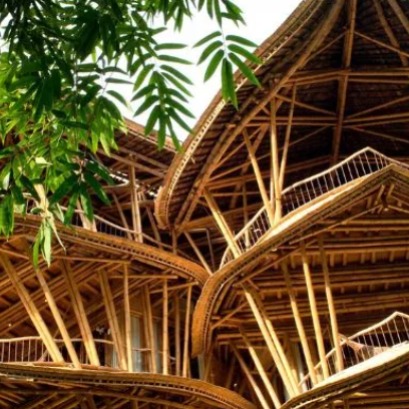 The South American country that changes construction thanks to an ancient, mega-resistant material: more than steel
This material that grows in South America creates the most resistant constructions and radically changes the world of architecture One particular building material has been used for millennia by various cultures in South America. This is due to its structural resistance that allows the creation of homes, bridges and shelters. Its archaeological presence shows that it was one of the most valued construction resources in seismic and humid areas.
 The DNA of forests: they discover what makes a tree resist drought
An international team, with the participation of INTA and Conicet, discovered that genetics can be decisive for trees to better resist droughts