CARBURO NANOGRANO
Fremech presenta con exclusividad la última tecnología aplicada por FLAI en sus sierras circulares DPX, ALX y EX
Es el carburo NANOGRANO. El uso de nanopartículas de carburo permite obtener un material libre de porosidad, extremadamente duro y compacto que confiere a estas sierras un excelente acabado de corte, mayor resistencia al desgaste y una mayor vida útil, un 40% más que las mejores hojas de microgramo conocidas. Su performance es comparable con cualquier sierra de Diamante policristalino pero a precios de herramientas de Widia. El acero laminado en caliente permite obtener un material homogéneo con una uniformidad estructural inalcanzable con los métodos en frio que usan otros fabricantes.Revestimiento de cromo duro que, endurece la superficie de la herramienta protegiéndola de la alta agresividad del material a cortar como son los Aglomerados, MDF, laminados, folio, etc.
Para mayor informacion: http://fremech.vetas.com

IT MAY INTEREST YOU
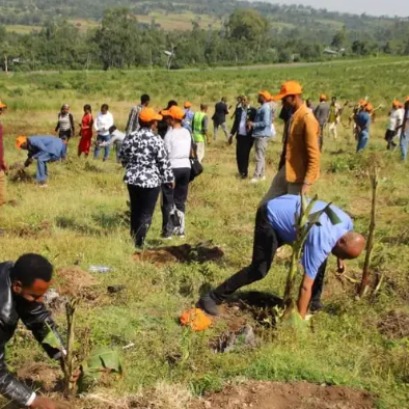 The country that planted 350 million trees in one day and caused great consequences
Discover the country that planted 350 million trees in one day and caused great consequences Climate change and deforestation have caused great ecological damage in many places. For this reason, a country planted 350 million trees in one day and thus obtained a world record, although it is estimated that in 2025, it will plant twice as many.
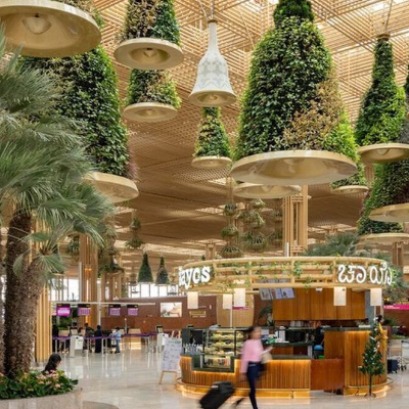 More wood | Air terminals as well-being spaces with design and natural atmosphere
In a world in which mental health, comprehensive well-being and connection with nature are increasingly urgent, wood appears as an increasingly chosen material to transform not only how we live, but also how we feel and move.
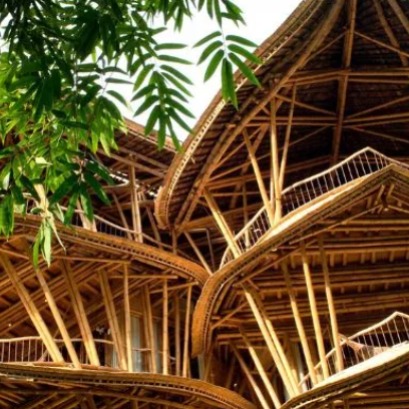 The South American country that changes construction thanks to an ancient, mega-resistant material: more than steel
This material that grows in South America creates the most resistant constructions and radically changes the world of architecture One particular building material has been used for millennia by various cultures in South America. This is due to its structural resistance that allows the creation of homes, bridges and shelters. Its archaeological presence shows that it was one of the most valued construction resources in seismic and humid areas.