El Paraíso brilla por su excelente estética y durabilidad
En algunas provincias se lo conoce como el falso cedro ya que tiene una estética similar y propiedades físicas y mecánicas parecidas a la madera nativa.
Al ser una madera cultivada, ofrece una opción sustentable para cualquier proyecto de obra ya que es renovable y reciclable.
El paraíso es un árbol muy popular en todo el territorio argentino y gran parte de Sudamérica. Si bien muchos piensan que es una madera natural del continente, este árbol llamado científicamente con el nombre de Melia azedarach, proviene del Sudeste Asiático, en la región del Himalaya.
Aunque fue cultivado en principio por sus características ornamentales y por su sombra, con el tiempo se fue descubriendo que su madera presenta rasgos muy parecidos al cedro misionero, con una veta delicada y muy pareja. Según un estudio científico (Leonardis 1977), es una madera blanda, fácil de trabajar que es apropiada para el uso industrial como la construcción de aberturas y muebles de alta calidad, entre otros usos.



IT MAY INTEREST YOU
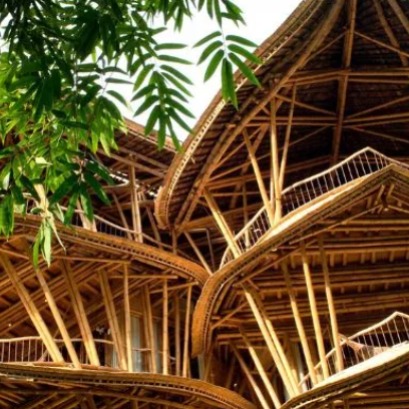 The South American country that changes construction thanks to an ancient, mega-resistant material: more than steel
This material that grows in South America creates the most resistant constructions and radically changes the world of architecture One particular building material has been used for millennia by various cultures in South America. This is due to its structural resistance that allows the creation of homes, bridges and shelters. Its archaeological presence shows that it was one of the most valued construction resources in seismic and humid areas.
 Native forest | In Misiones, controls are tightened on routes for illegal transport of native wood, logging of forests without permits and fraudulent digital guides
Informality in forestry activity in Misiones was once again evident, the culture of operating illegally is a historical problem, and the Ministry of Ecology and Renewable Natural Resources carries out the corresponding control and inspection operations in the regulation of productive activity and sustainable management for the use of native forests.
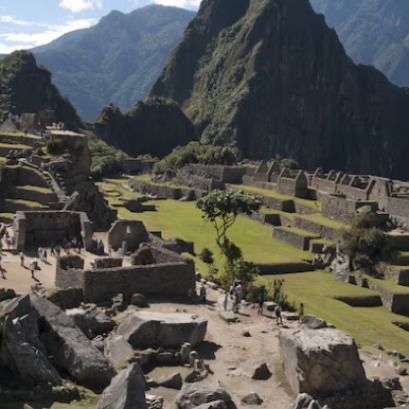 Reforestation advances in the Historic Sanctuary of Machu Picchu with new restored hectares
The plan includes the planting of a thousand new trees in the sanctuary, in response to the damage caused by forest fires and environmental threats, with the support of local authorities and representatives of the tourism sector.