Los bosques contienen diez veces más energía que la que se consume cada año a nivel mundial
La madera proporciona más energía que la generada por el sol, el agua o el viento. Gracias a ella 2.400 millones de personas pueden cocinar, hervir agua y calentar sus hogares, explica Naciones Unidas
Hoy, 21 de marzo, se celebra el Día Internacional de los Bosques. Este año, la organización de las Naciones Unidas subraya cómo la dendroenergía (la energía que proviene de los árboles) contribuye de manera significativa a mejorar la vida de las personas, fomentar el desarrollo sostenible y mitigar el cambio climático.
La madera es una importante fuente de energía renovable. La madera proporciona más energía que la generada por el sol, el agua o el viento. En la actualidad, subrayan desde la ONU, la madera representa aproximadamente el 45% del suministro de energía renovable en el mundo (27% en África, 13% en América del Sur y el Caribe y 5% en Asia y Oceanía).

IT MAY INTEREST YOU
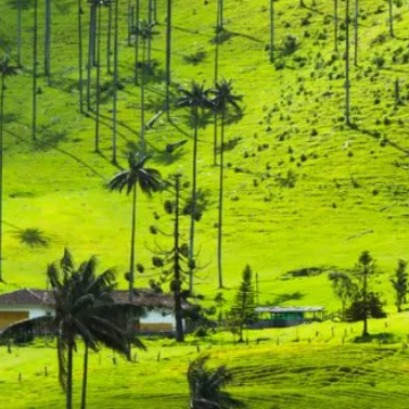 The tallest palm tree in the world is in South America: it is the height of a 20-story building
The worlds tallest palm tree stands deep in South America, a giant that challenges the limits of plant life Deep in South America, between the fog and the mountains, hides a giant tree that few know about. Majestic and silent, challenging the world on what plant life can achieve.
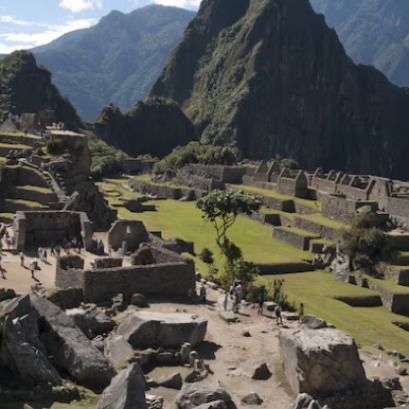 Reforestation advances in the Historic Sanctuary of Machu Picchu with new restored hectares
The plan includes the planting of a thousand new trees in the sanctuary, in response to the damage caused by forest fires and environmental threats, with the support of local authorities and representatives of the tourism sector.
 The discovery of methane-producing bacteria in trees rethinks the ecological role of forests
Pioneering study shows trees surprising internal microbial diversity and potential influence on global climate, driving novel strategies for agricultural and forestry management