Los bosques contienen diez veces más energía que la que se consume cada año a nivel mundial
La madera proporciona más energía que la generada por el sol, el agua o el viento. Gracias a ella 2.400 millones de personas pueden cocinar, hervir agua y calentar sus hogares, explica Naciones Unidas
Hoy, 21 de marzo, se celebra el Día Internacional de los Bosques. Este año, la organización de las Naciones Unidas subraya cómo la dendroenergía (la energía que proviene de los árboles) contribuye de manera significativa a mejorar la vida de las personas, fomentar el desarrollo sostenible y mitigar el cambio climático.
La madera es una importante fuente de energía renovable. La madera proporciona más energía que la generada por el sol, el agua o el viento. En la actualidad, subrayan desde la ONU, la madera representa aproximadamente el 45% del suministro de energía renovable en el mundo (27% en África, 13% en América del Sur y el Caribe y 5% en Asia y Oceanía).

IT MAY INTEREST YOU
 Native forest | In Misiones, controls are tightened on routes for illegal transport of native wood, logging of forests without permits and fraudulent digital guides
Informality in forestry activity in Misiones was once again evident, the culture of operating illegally is a historical problem, and the Ministry of Ecology and Renewable Natural Resources carries out the corresponding control and inspection operations in the regulation of productive activity and sustainable management for the use of native forests.
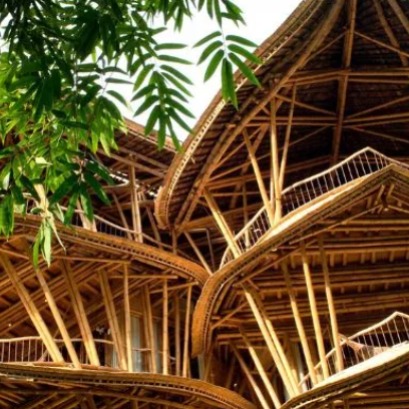 The South American country that changes construction thanks to an ancient, mega-resistant material: more than steel
This material that grows in South America creates the most resistant constructions and radically changes the world of architecture One particular building material has been used for millennia by various cultures in South America. This is due to its structural resistance that allows the creation of homes, bridges and shelters. Its archaeological presence shows that it was one of the most valued construction resources in seismic and humid areas.
 Nation reinforces prevention and training against forest fires
The director of the Federal Emergency Agency (AFE), Santiago Hardie, referred to the support that the Nation provides in fighting fires. He argued that the majority of igneous sources respond to human interventions and that, therefore, social awareness is a central tool to reduce environmental, material and human damage.